Curious how San Anselmo changes from one pocket to the next? In a town that shifts quickly from a walkable valley floor to winding hillside roads, the right fit often comes down to more than a ZIP code. If you are comparing lifestyle, access, and setting, this guide will help you understand how Downtown, Seminary, and the hills each live a little differently. Let’s dive in.
San Anselmo at a glance
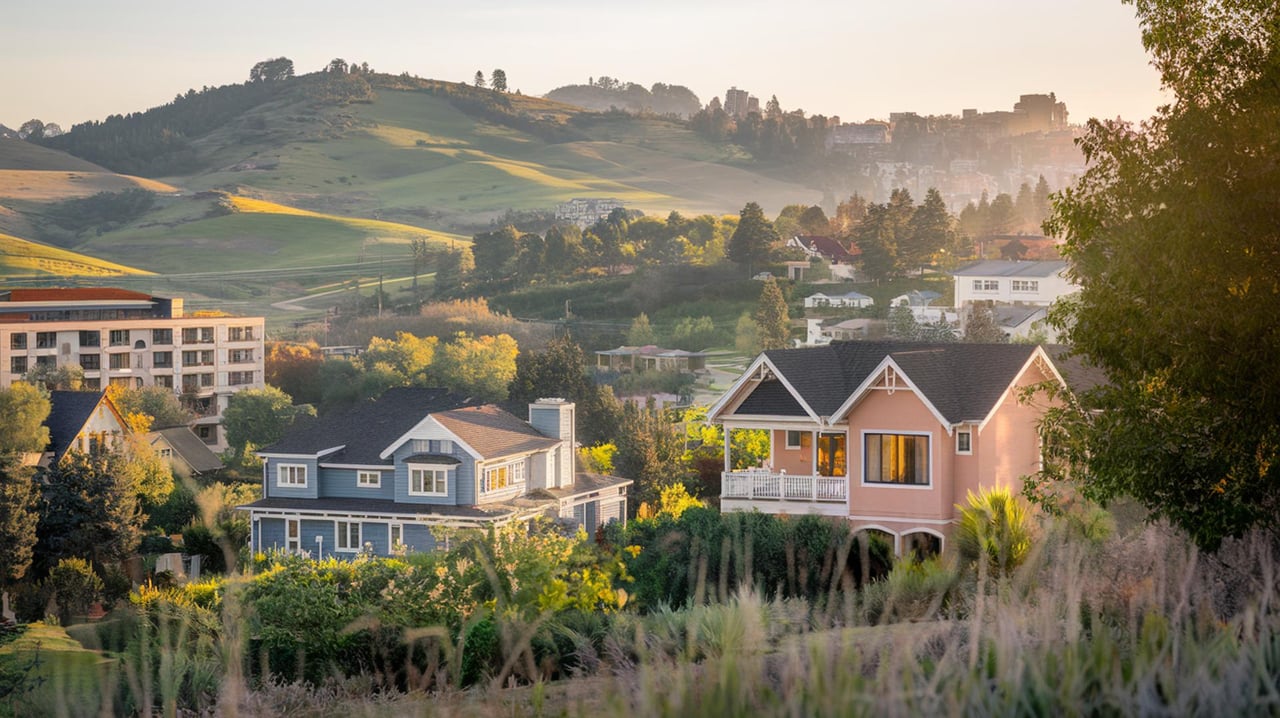
San Anselmo is easiest to understand as a valley town with distinct micro-areas. Town planning documents describe grid streets on the flatter areas and winding roads on the hillsides, and they also note that the town is largely built out.
That matters when you are home shopping. In San Anselmo, the exact street, slope, view corridor, and flood or drainage exposure can matter almost as much as the neighborhood name.
Why neighborhood labels matter
Local neighborhood labels are not just informal shorthand. Town materials use names such as Seminary, Saunders, Hilldale, Butterfield, Suffield, Oak Springs, and Indian Rock, which gives buyers a practical way to compare one pocket with another.
For you as a buyer, that means San Anselmo rewards a more detailed search. Two homes that seem close on a map can offer a very different daily experience depending on elevation, road pattern, and how close they sit to downtown services or open space.
Downtown and Creekside living
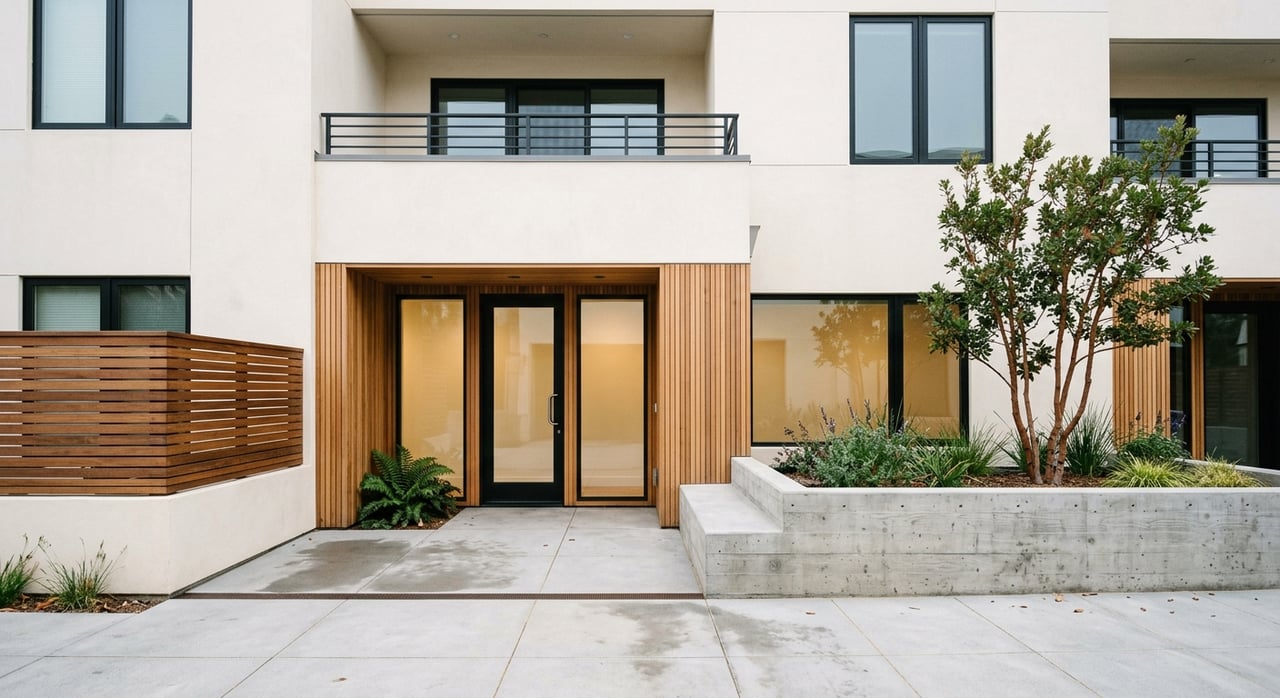
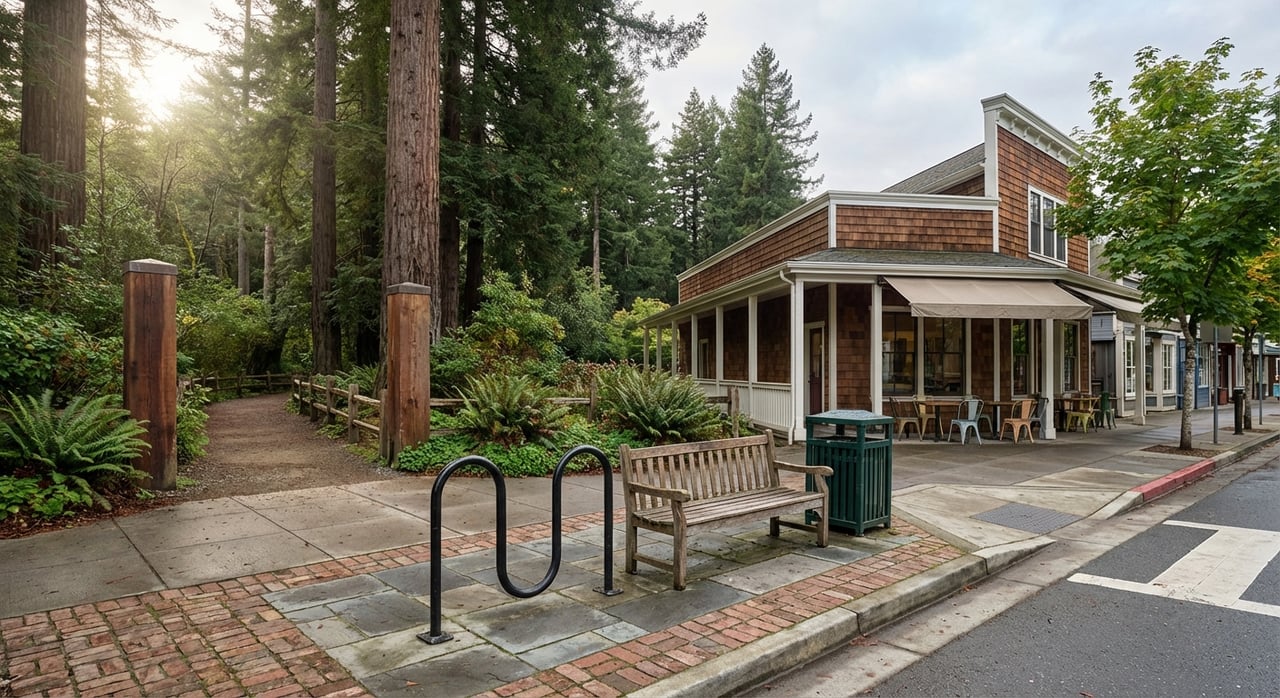
Downtown San Anselmo centers on San Anselmo Avenue and the Sir Francis Drake corridor between the Hub and Tunstead Avenue. The Town describes this area as the historic main street and traditional commercial center, with early-1900s and 1920s commercial buildings, a pedestrian-friendly storefront edge, and nearby civic uses like City Hall, the library, fire, and police.
If you want a true village-center feel, this is the part of town many buyers notice first. Creek Park, Memorial Park, the library, shops, cafés, and civic services are concentrated here, which makes day-to-day errands easier to do on foot.
Best fit for walkability
Downtown tends to appeal to buyers who want convenience close at hand. If your ideal day includes coffee, a quick errand, library access, or time in the park without getting in the car, this area offers the strongest concentration of those basics.
It also functions as the civic heart of town. That gives the area a steady sense of activity and connection that can be hard to replicate in more residential hillside pockets.
Key tradeoffs downtown
The practical tradeoffs are important. Parking can be tight during busier times, especially in the core commercial area.
The creekside location also brings flood sensitivity. Town flood information notes that downtown and nearby areas are subject to periodic flooding while mitigation work continues, so buyers should pay close attention to flood and drainage exposure when evaluating a specific property.
Shopping beyond the core
Downtown is not the only place for everyday services. For larger routine shopping, Red Hill offers a grocery and drug-store node, while Greenfield adds neighborhood services.
That can be useful if you like San Anselmo’s central location but do not need to live right in the middle of the main street activity. In practice, many buyers compare downtown convenience with nearby pockets that offer a slightly quieter residential feel.
Seminary and Seminary Hill
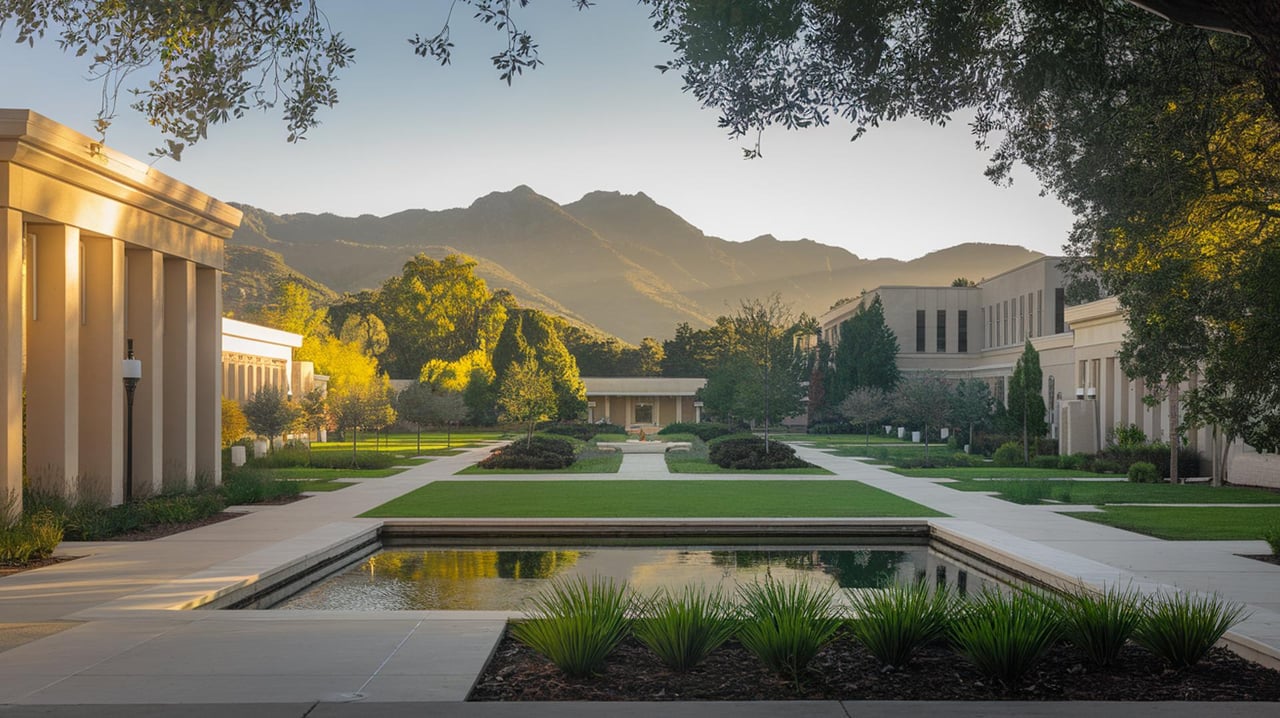
Seminary is a true local neighborhood label, not just a nickname. The Town identifies the San Francisco Theological Seminary as one of the influences that shaped local growth, and the campus historic-district evaluation describes a hilltop setting with mature trees, a small amount of surrounding flatland, and structures tied to the seminary’s early development.
For many buyers, Seminary feels like a middle ground between the flats and the higher hills. It often reads as more elevated and campus-adjacent than downtown, while still maintaining a strong connection to the town core.
What Seminary feels like
The setting is one of the defining features here. Mature landscaping, historic-campus character, and a tree-filled backdrop can give this area a more tucked-away feel than the main commercial corridor.
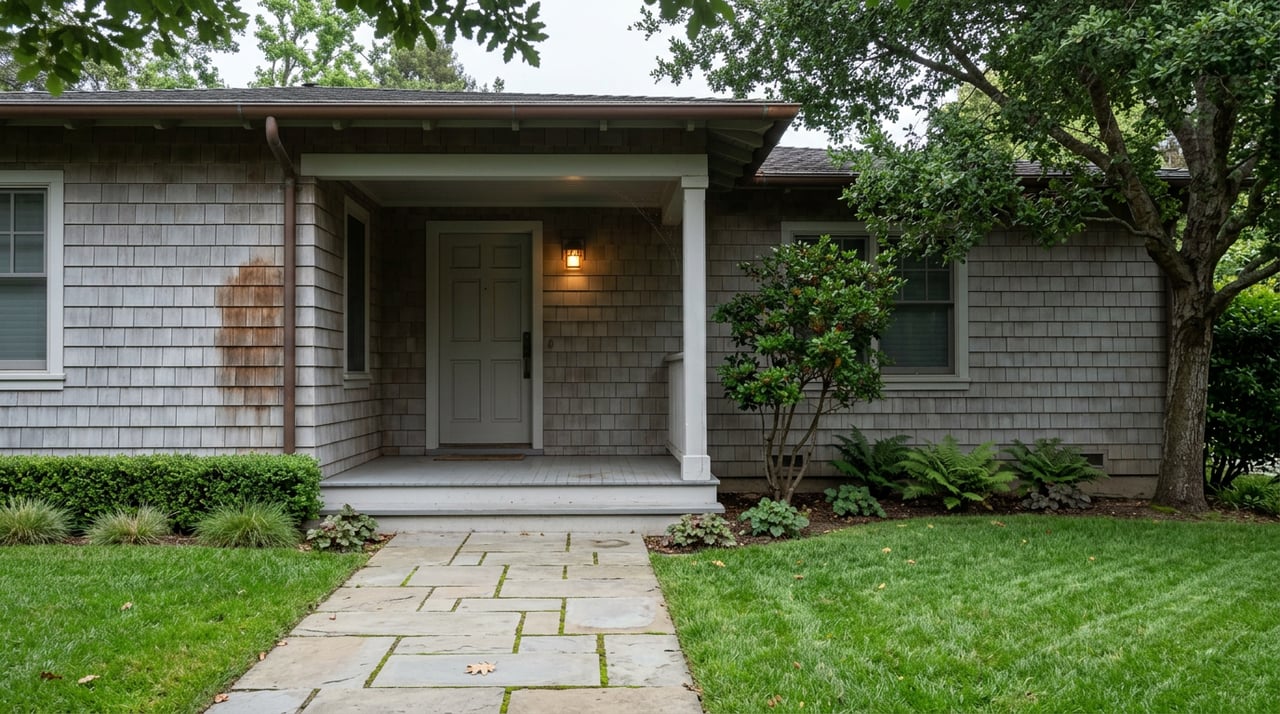
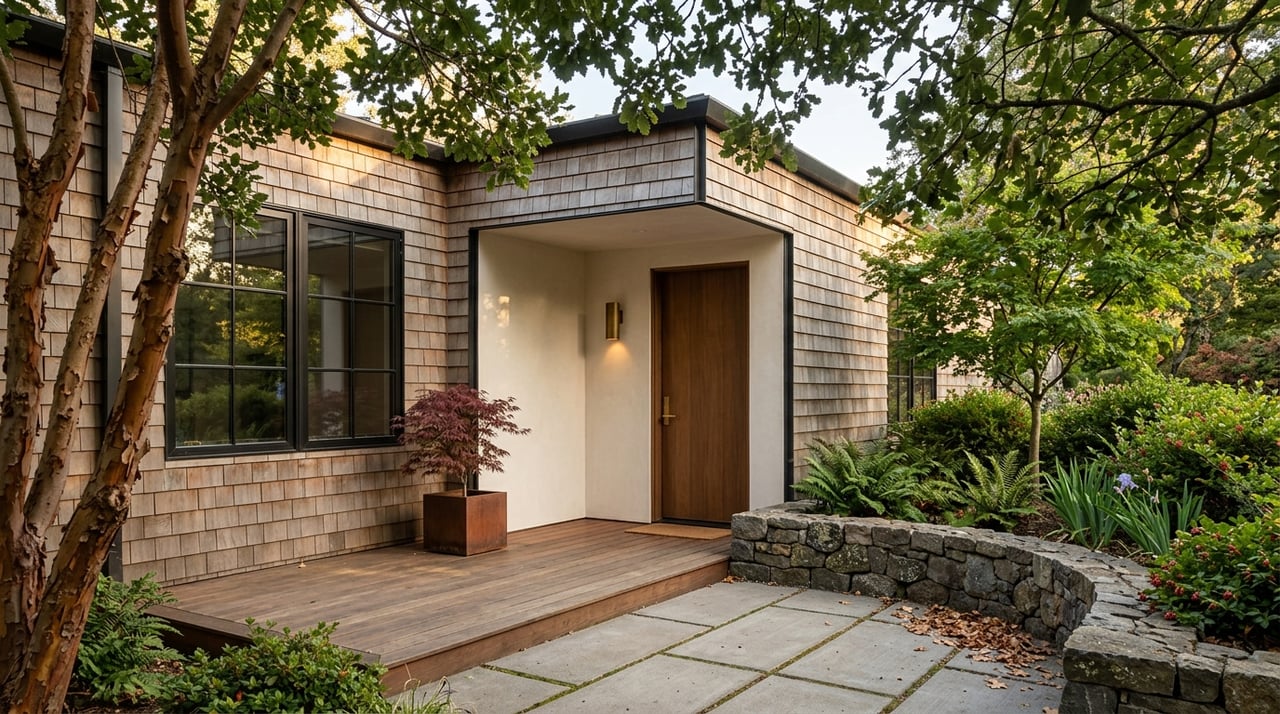
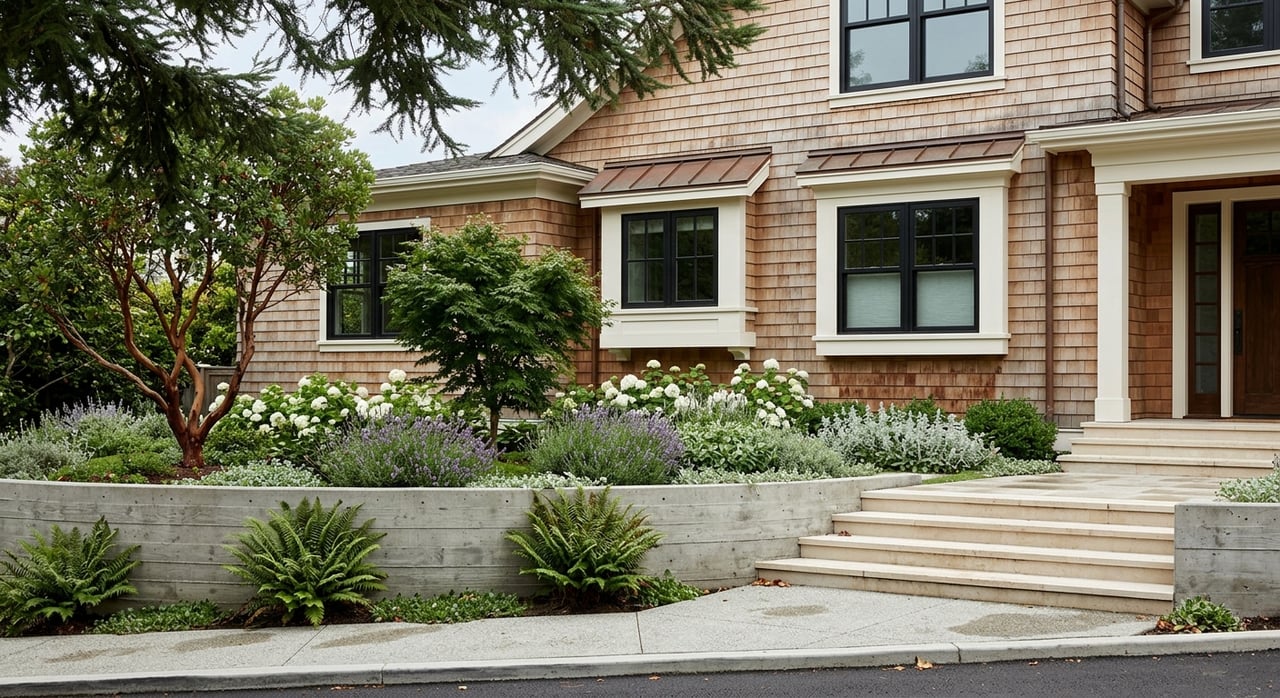
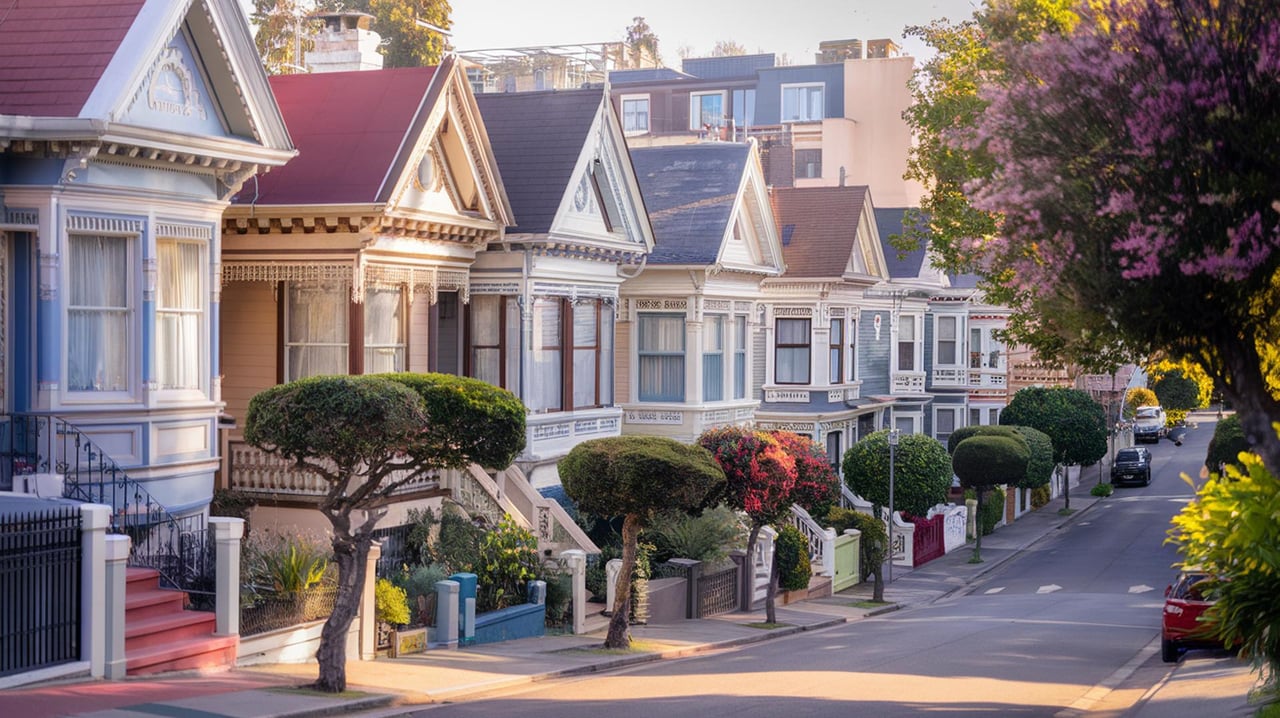
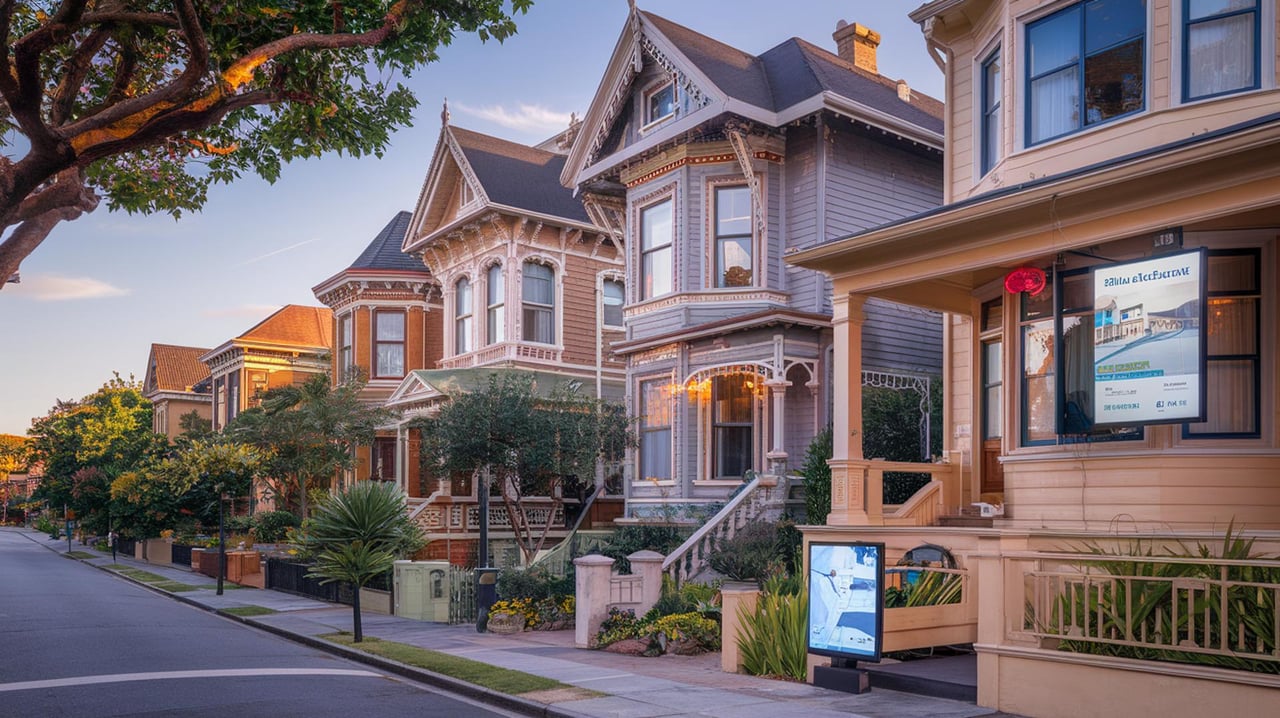
Architecturally, San Anselmo is eclectic rather than uniform, and that includes Seminary-adjacent areas. Town history and design standards point to more than 120 years of changing styles, with forms that include Shingle-style influences and the Craftsman bungalow tradition that was prevalent from the 1900s through the 1940s.
Why buyers consider Seminary
If you want a setting that feels established and green, Seminary is often a strong match. It can offer a sense of separation from downtown while keeping you connected to the town’s core streets and services.
This pocket can also appeal to buyers who care about character over sameness. In San Anselmo, older neighborhoods tend to be eclectic, and Seminary reflects that broader pattern.
Transit access in Seminary
Transit is another practical advantage to understand. Marin Transit local routes 22, 23, 68, and 228 serve the town, and the San Anselmo Hub at Center Boulevard and Sir Francis Drake is a key transfer point.
Golden Gate Transit route 132 provides commute-period service to San Francisco, with the Hub serving as the San Anselmo stop. For buyers who commute, that is helpful, but it is worth remembering that route 132 is a weekday commute-period line rather than an all-day local service.
The hills and hillside neighborhoods
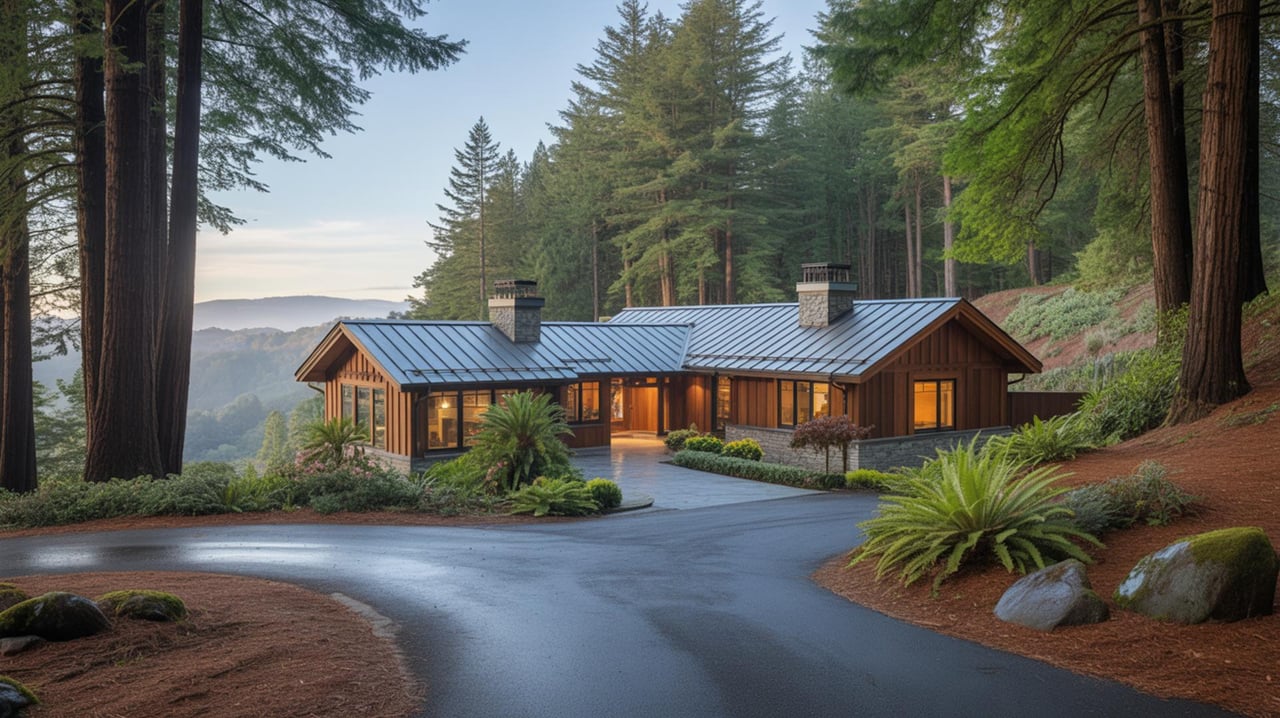
The hills are where topography becomes the main lifestyle filter. Town planning documents note that hillside roads are winding, ridge and hillside parcels are among the last remaining undeveloped lands, and visible ridges and slopes are tightly protected.
Those same documents also note that remote access and geologic instability can make some hillside parcels harder to build on. For you as a buyer, that means hillside living can be rewarding, but it usually calls for a more site-specific review.
What draws buyers uphill
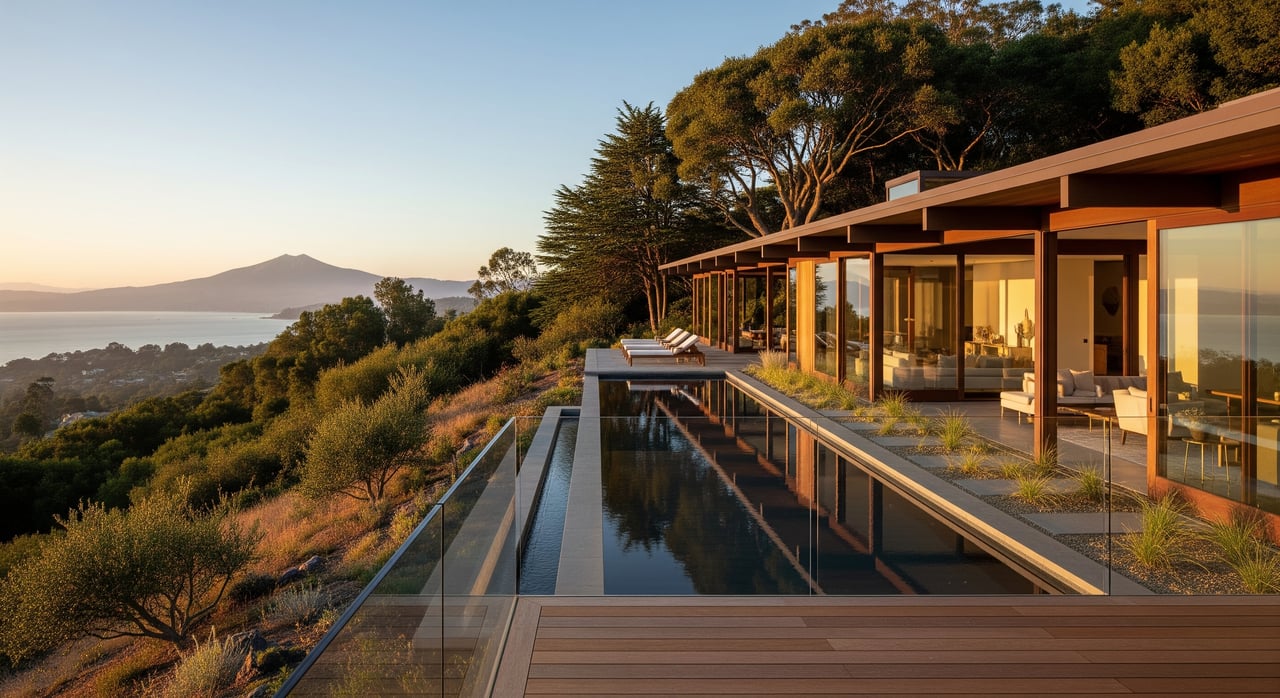
Views, privacy, and immediate access to open space are the biggest reasons many buyers look to the hills. This is the part of San Anselmo where the natural setting becomes more central to daily life.
Open-space options support that lifestyle. Bald Hill Preserve overlooks San Anselmo and extends into adjacent Marin Water lands, Faude Park offers 13.5 acres of hiking and picnic space with Ross Valley views, and Sorich Ranch Park is a 60-acre natural retreat with views of Mt. Tamalpais, Bald Hill, and the Seminary.
A classic hillside reference
The Barber Tract offers a useful historic reference point for hillside living in San Anselmo. The San Anselmo Historical Museum describes it as a hill neighborhood where homes were built to capture views and natural light.
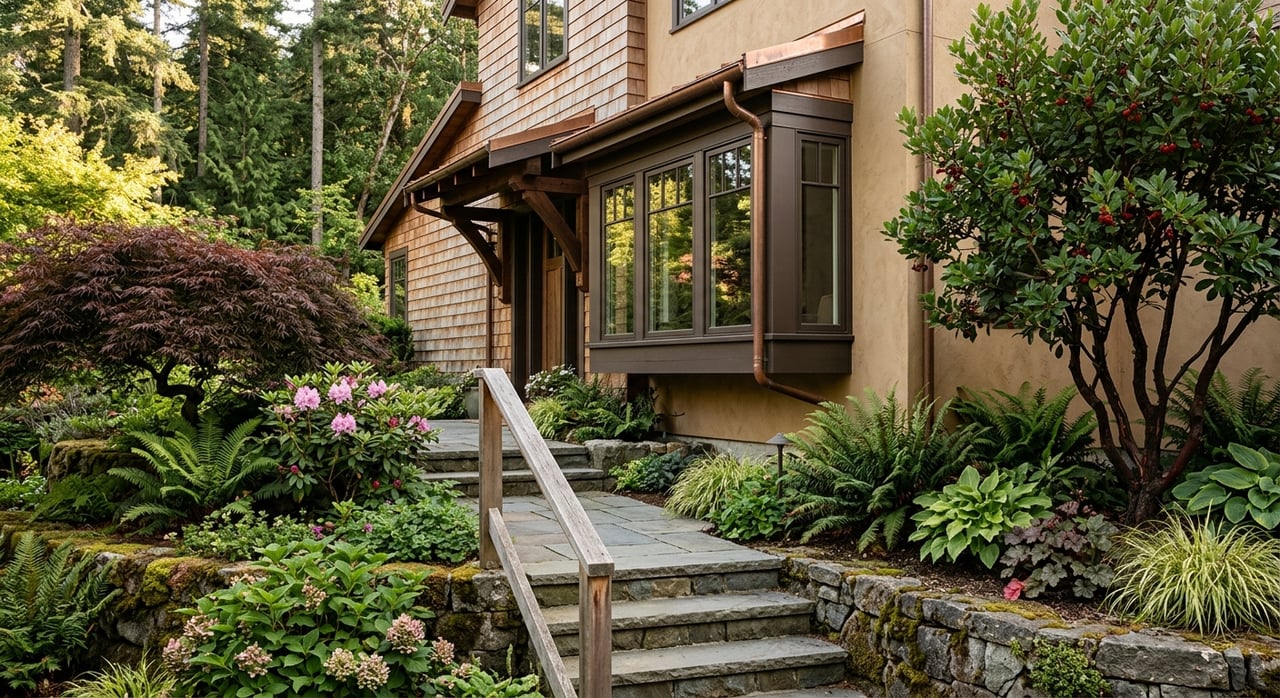
That history also points to bungalow and shingle-house traditions, which helps explain why hillside San Anselmo can feel visually varied and closely tied to its terrain. In many of these areas, the land itself shapes the architecture as much as any one design trend.
Practical tradeoffs in the hills
The same features that make the hills attractive can also create tradeoffs. Compared with the flatter downtown grid, hillside areas generally come with more slope, less flat curb-friendly land, and more property-specific considerations around access and site conditions.
That does not make one area better than another. It simply means your priorities need to be clear, especially if you are weighing privacy and views against easier day-to-day access.
Architecture across San Anselmo
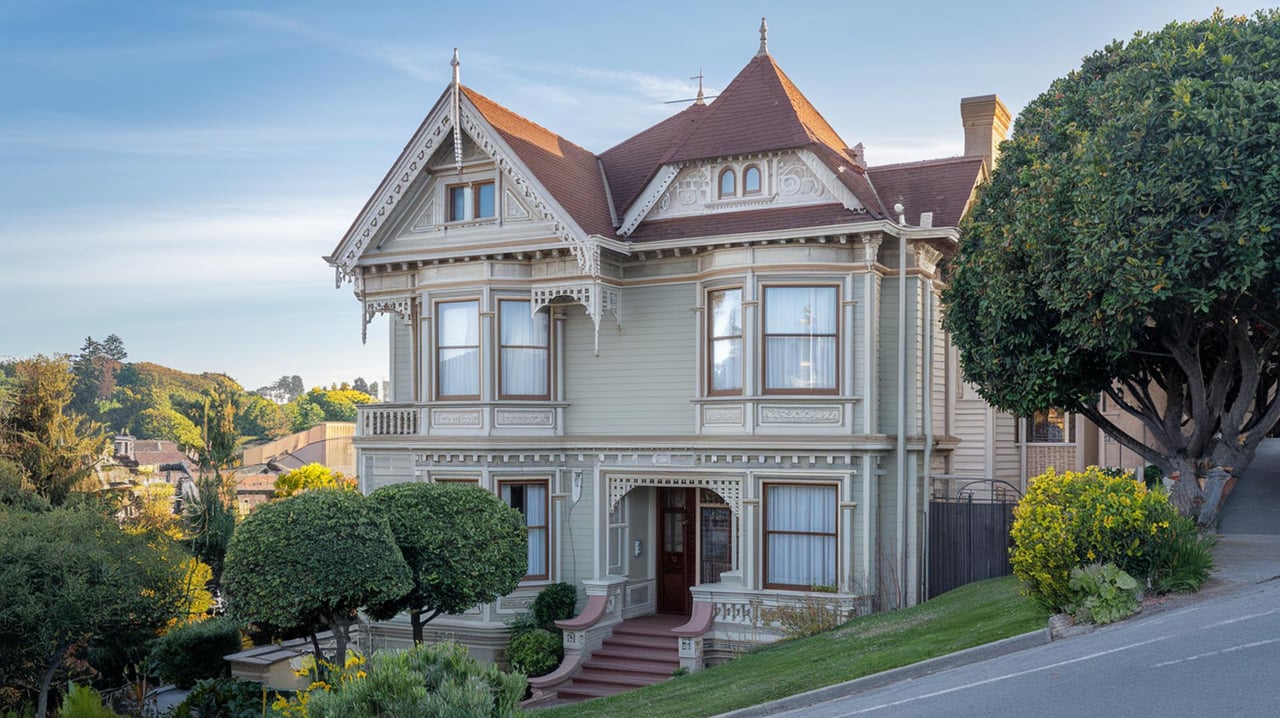
One of San Anselmo’s strengths is that it does not feel overly uniform. Town materials describe the older parts of town as eclectic, reflecting more than 120 years of changing styles.
You will see that variety in different pockets. Historic references point to Shingle-style contributors, bungalow and shingle-house traditions in hillside settings, and the Craftsman bungalow as a prevalent historical form from the 1900s through the 1940s.
For buyers, this means neighborhood character often comes from a mix of site, age, and architectural pattern rather than a single predictable look. That can make San Anselmo feel more layered and interesting, especially if you value homes with individual character.
How to choose the right pocket
If you are narrowing your search, start with how you want daily life to work. In San Anselmo, that question often points you toward the right neighborhood faster than square footage alone.
Here is a simple way to think about it:
- Downtown and Creekside may fit best if you want walkability, civic access, and a classic village-center feel.
- Seminary may fit best if you want a tree-shaded setting with historic-campus character and convenient access to the town core.
- The hills may fit best if you want views, privacy, and closer access to open space.
- Transit-minded buyers may want to focus on the Hub and the Red Hill and Sir Francis Drake corridor, where multiple transit routes operate and route 132 provides the direct San Anselmo to San Francisco commute option.
The final choice often comes down to details. Because San Anselmo is built out and its topography changes quickly from one pocket to the next, a home’s exact position on the street can shape your experience as much as the broader neighborhood label.
If you are comparing San Anselmo neighborhoods and want a more tailored read on which streets, settings, and property types best match your goals, connect with Sherry Ramzi for thoughtful, highly personalized guidance.
FAQs
What is the most walkable area in San Anselmo for daily errands?
- Downtown San Anselmo offers the strongest concentration of shops, cafés, parks, the library, and civic services, making it the clearest choice for walkability.
What defines the Seminary neighborhood in San Anselmo?
- Seminary is a recognized local neighborhood centered around the historic seminary area, known for its elevated setting, mature trees, and connection to the town core.
What should buyers know about San Anselmo hillside neighborhoods?
- Hillside neighborhoods often offer views, privacy, and open-space access, but they also tend to involve more slope, winding roads, and property-specific access or site considerations.
What flood considerations affect Downtown San Anselmo and Creekside areas?
- Town information states that downtown and nearby creekside areas are subject to periodic flooding, so buyers should evaluate flood and drainage exposure closely for any specific property.
What transit options are available in San Anselmo for San Francisco commuters?
- Marin Transit routes 22, 23, 68, and 228 serve the town, and Golden Gate Transit route 132 provides weekday commute-period service to San Francisco from the San Anselmo Hub.