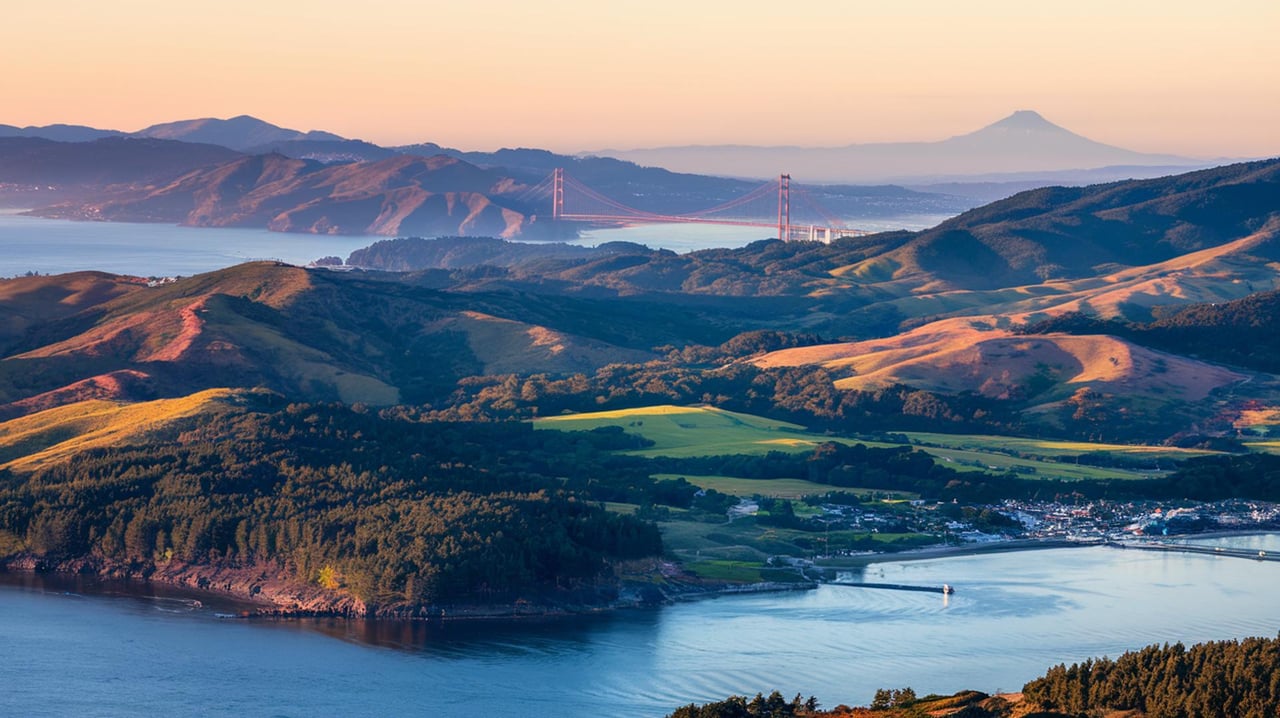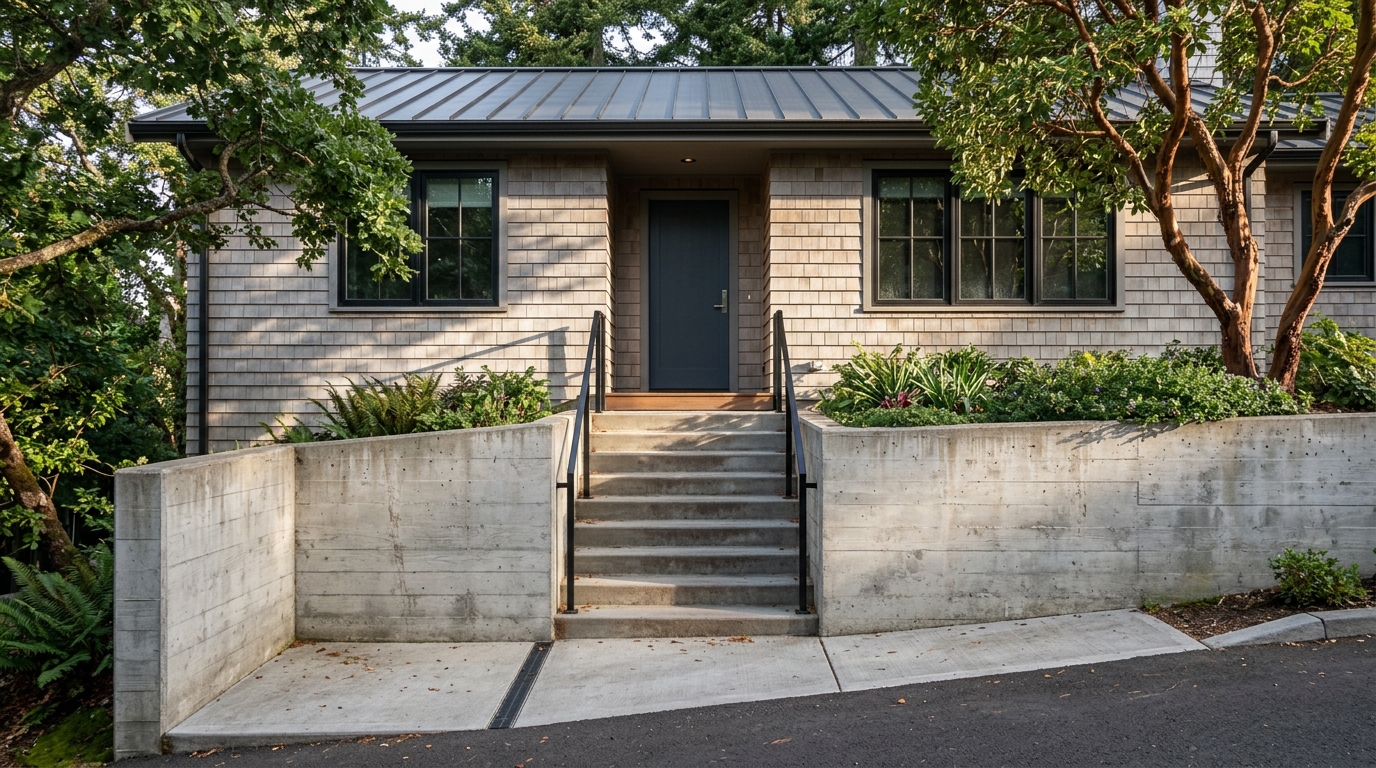
If you are drawn to Sausalito, you are probably choosing between two very different versions of the same city. One puts you right on Richardson Bay with dock life outside your door. The other lifts you into the hills, where stairs, views, and winding streets shape your routine. If you want to understand how each setting feels day to day, this guide will help you compare the lifestyle, logistics, and tradeoffs. Let’s dive in.
Two Sides of Sausalito Living
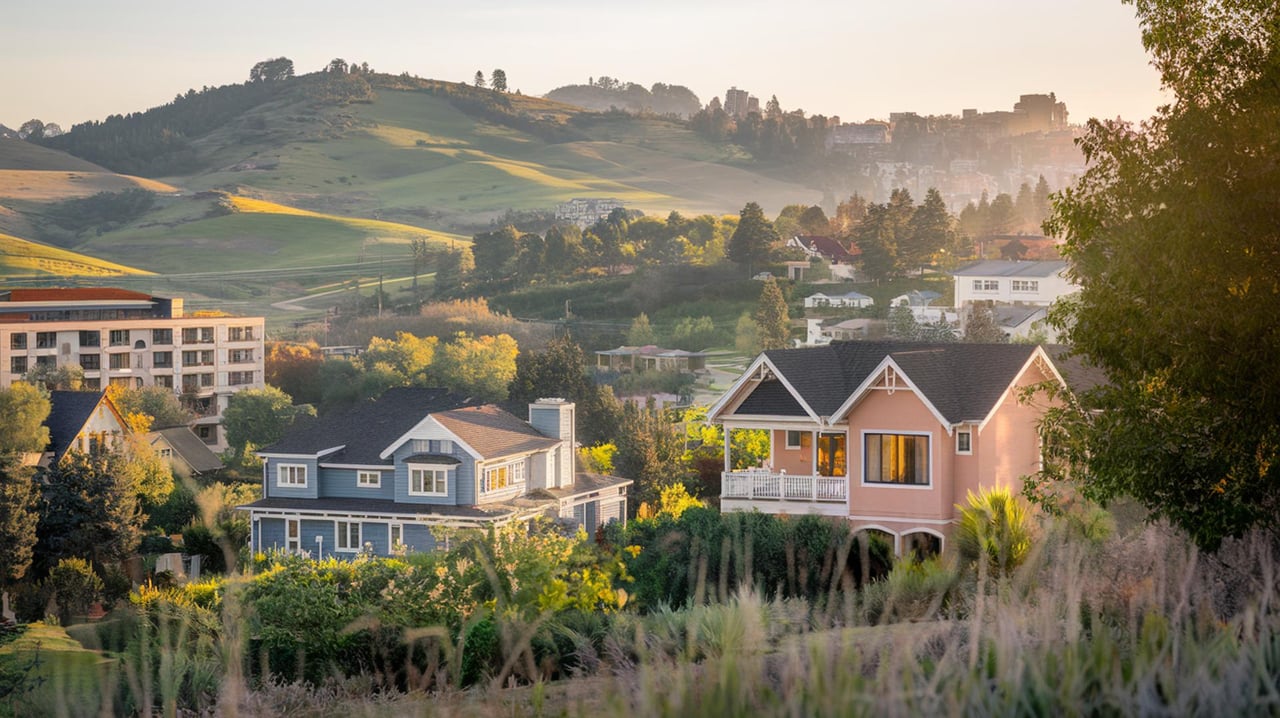
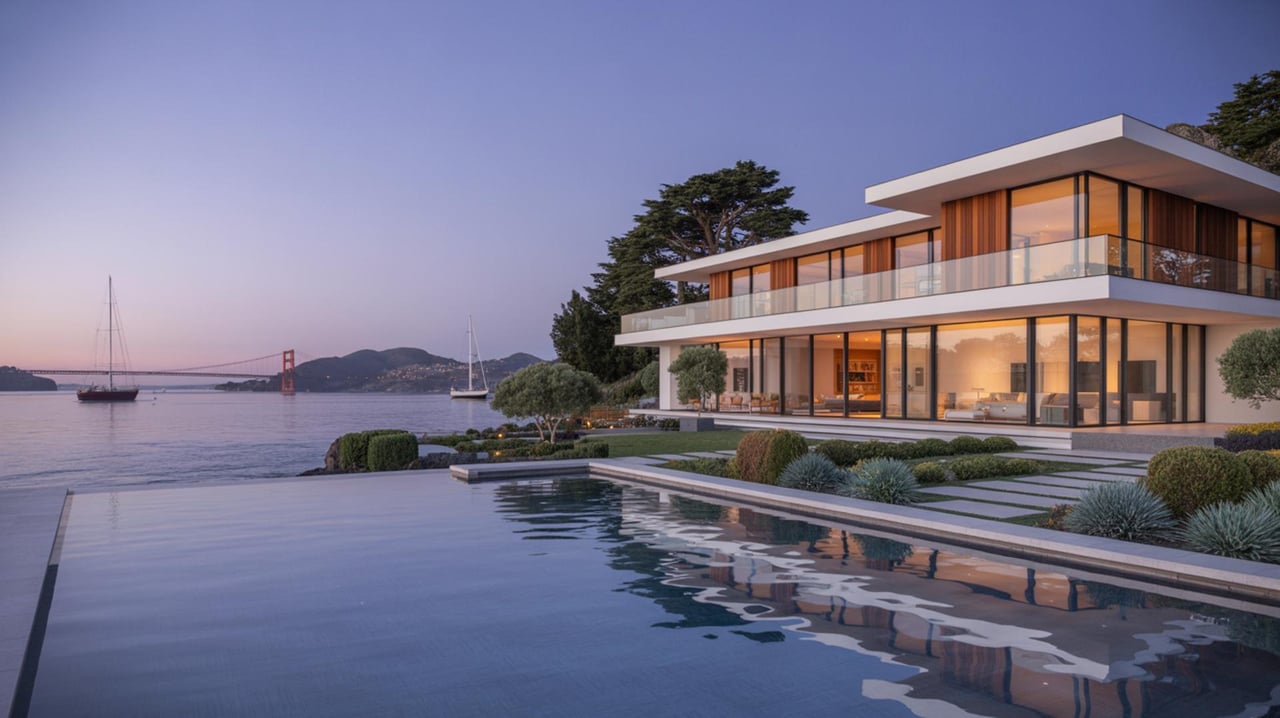
Sausalito is a compact waterfront city shaped by both its shoreline and its steep upland terrain. The city describes housing, transportation, circulation, recreation, and Bay access as deeply connected, which is easy to see when you compare floating homes with hillside properties.
In simple terms, houseboats and floating homes offer a more water-connected, socially concentrated way of living. Hillside homes offer a more separated residential feel, with daily life influenced by slopes, stairs, and narrower streets.
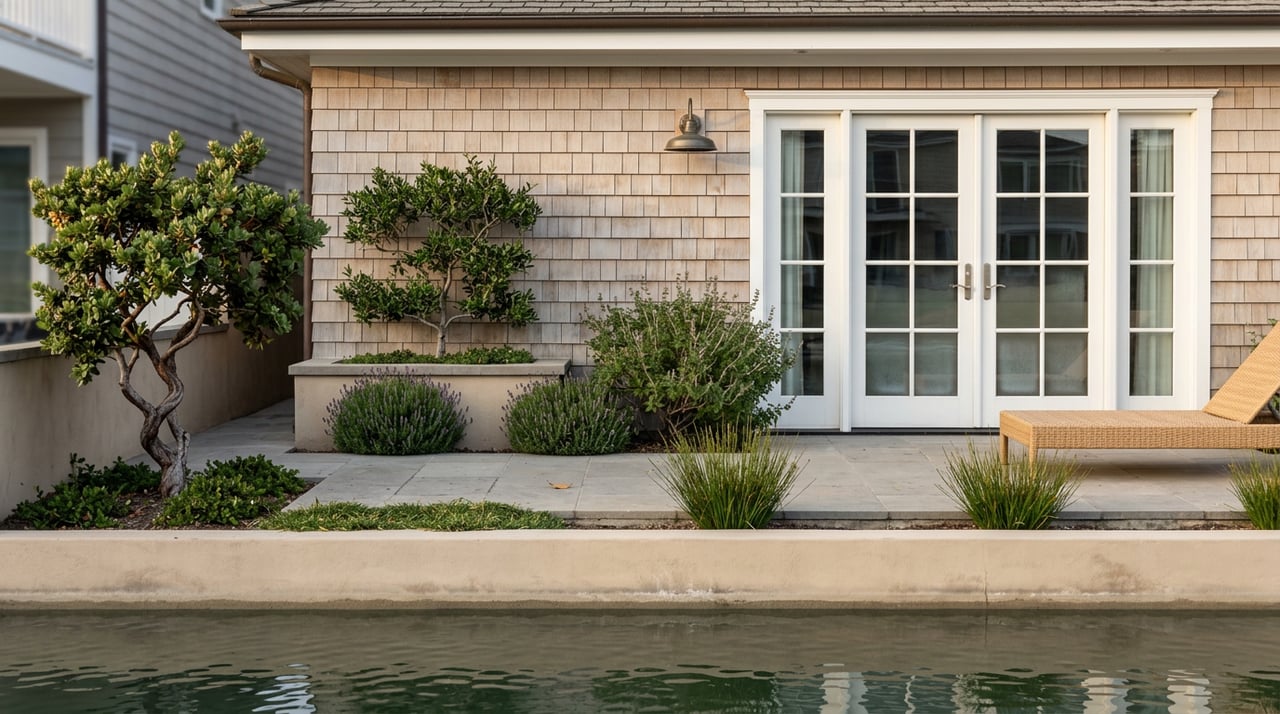
What defines the floating-home setting
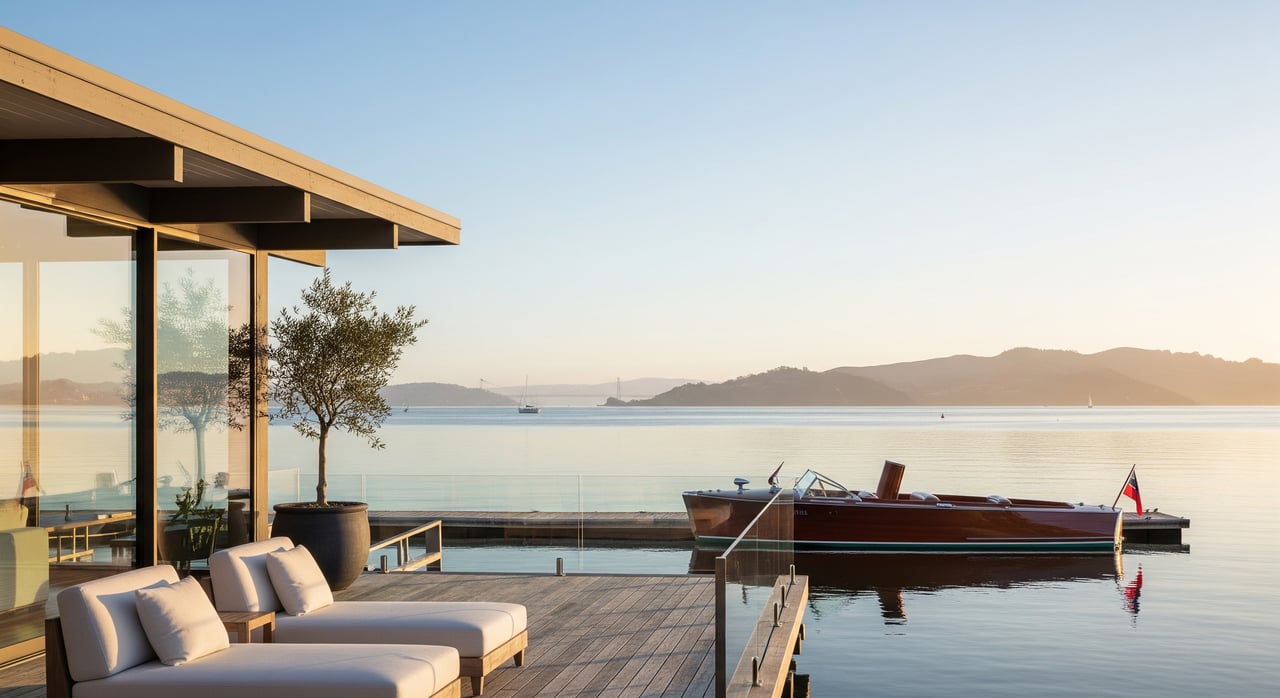
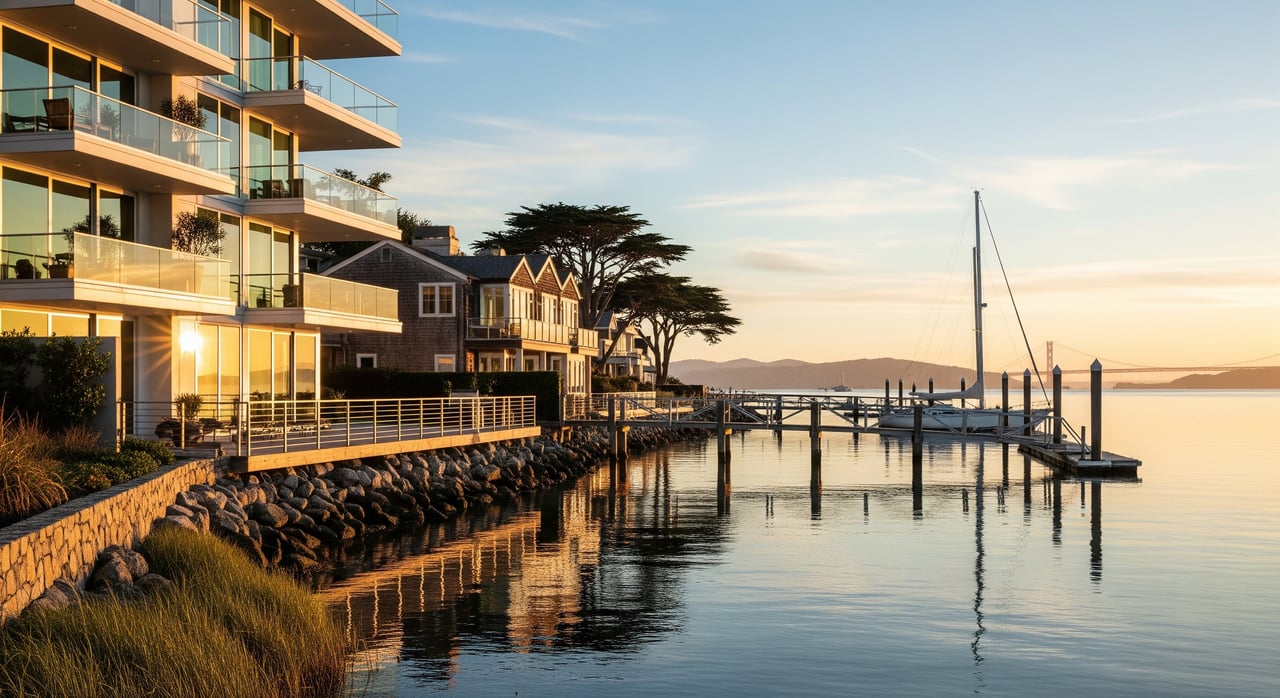
Sausalito’s floating-home community is located at the northern end of Richardson Bay. The Floating Homes Association represents residents of more than 400 homes across five floating-home marinas, and Waldo Point Harbor alone describes itself as a 282-berth floating-home marina.
That scale helps explain why waterfront life often feels close-knit. The floating-home community is known for community-building and stewardship, so neighbor contact tends to be a more visible part of daily life.
What defines the hillside setting
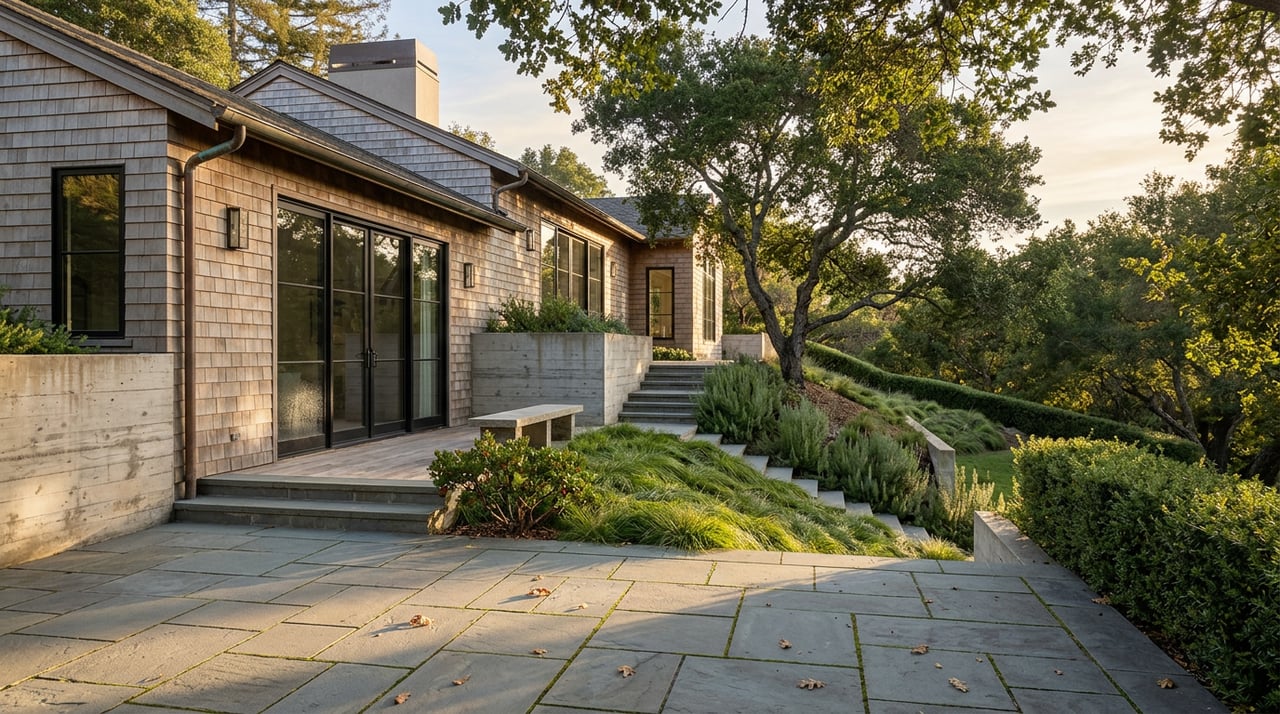
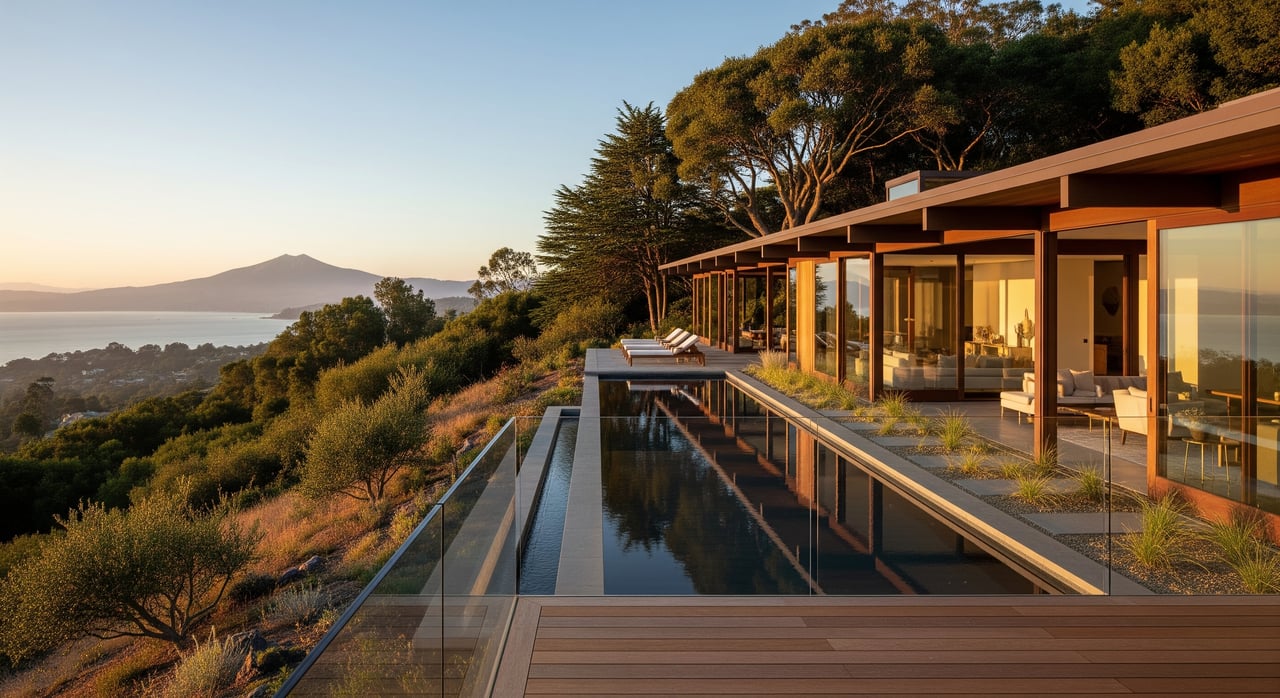
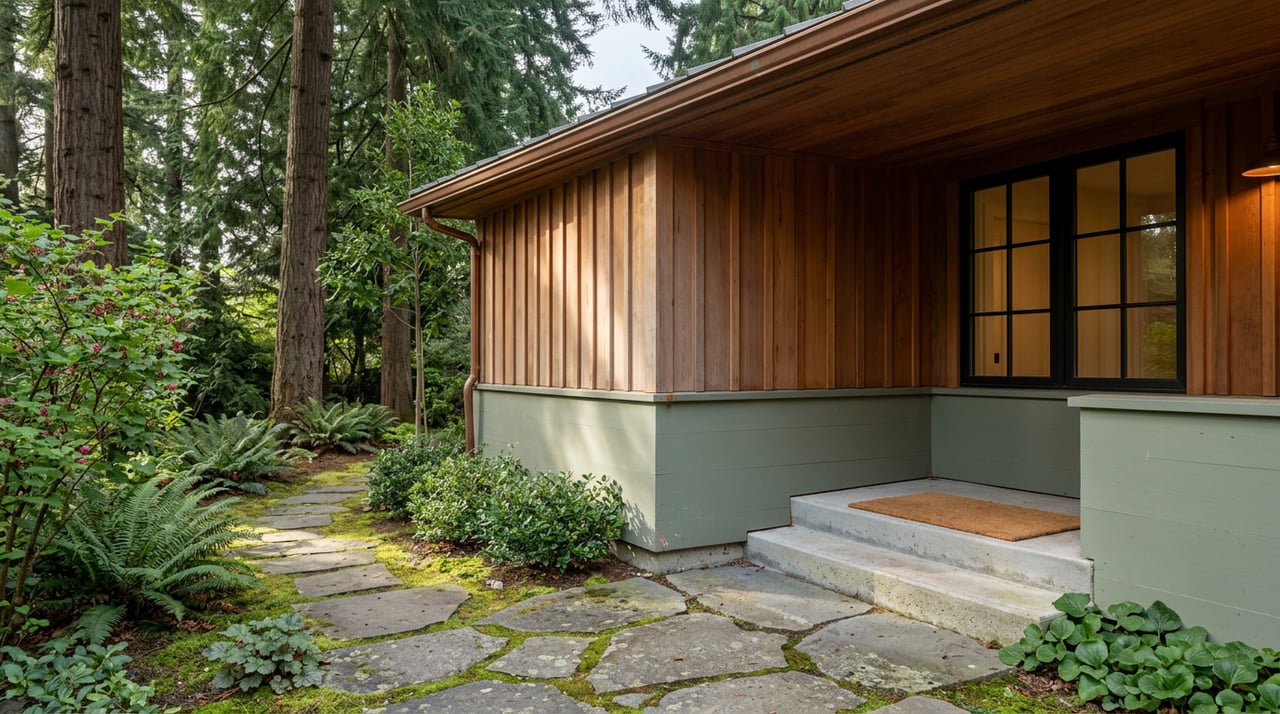
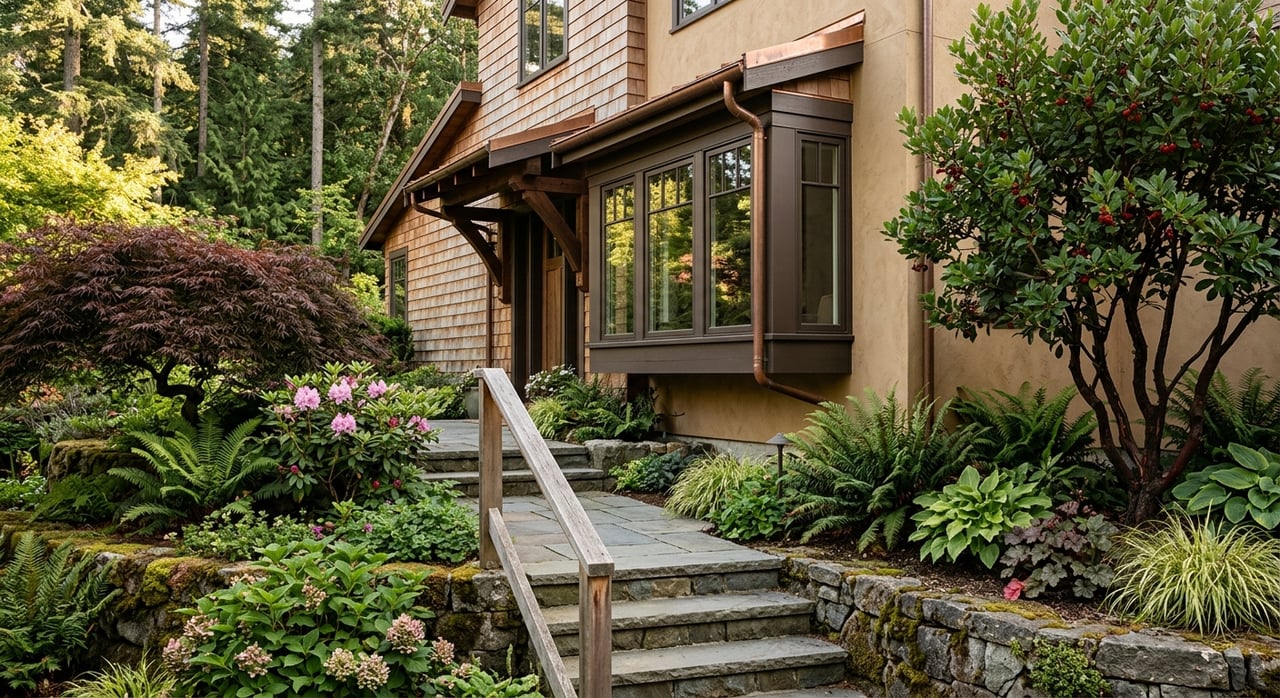
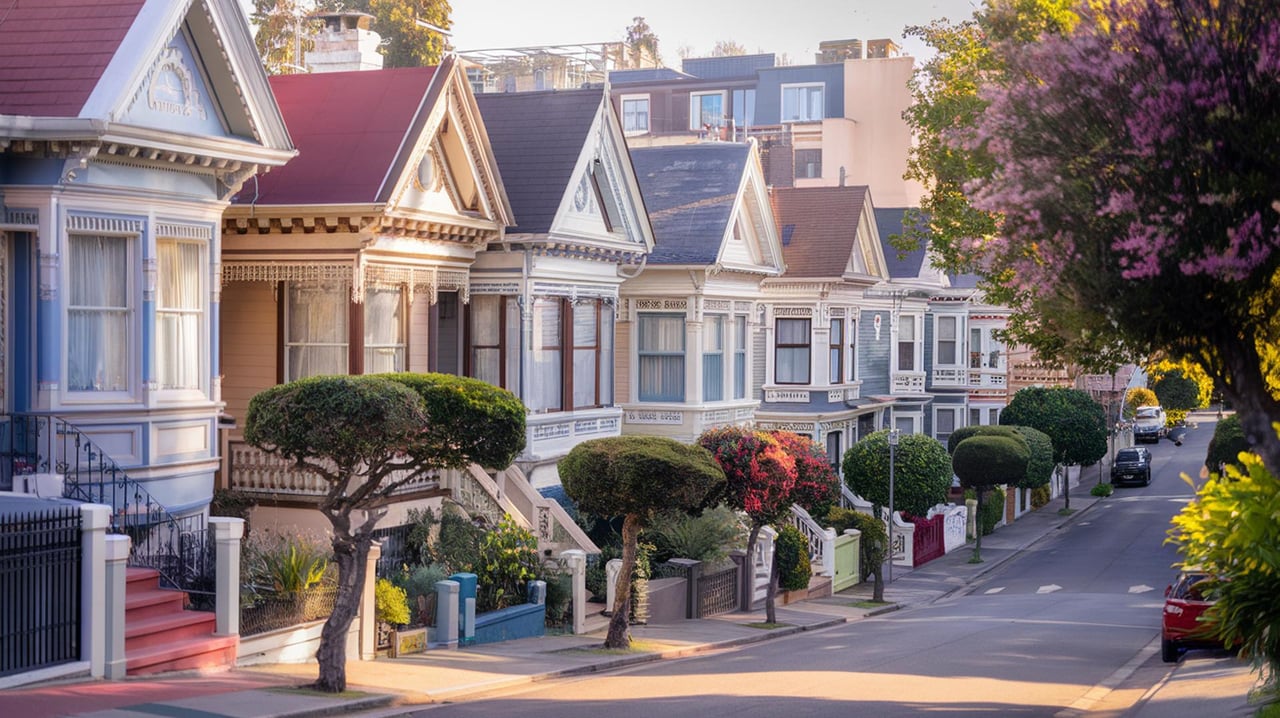
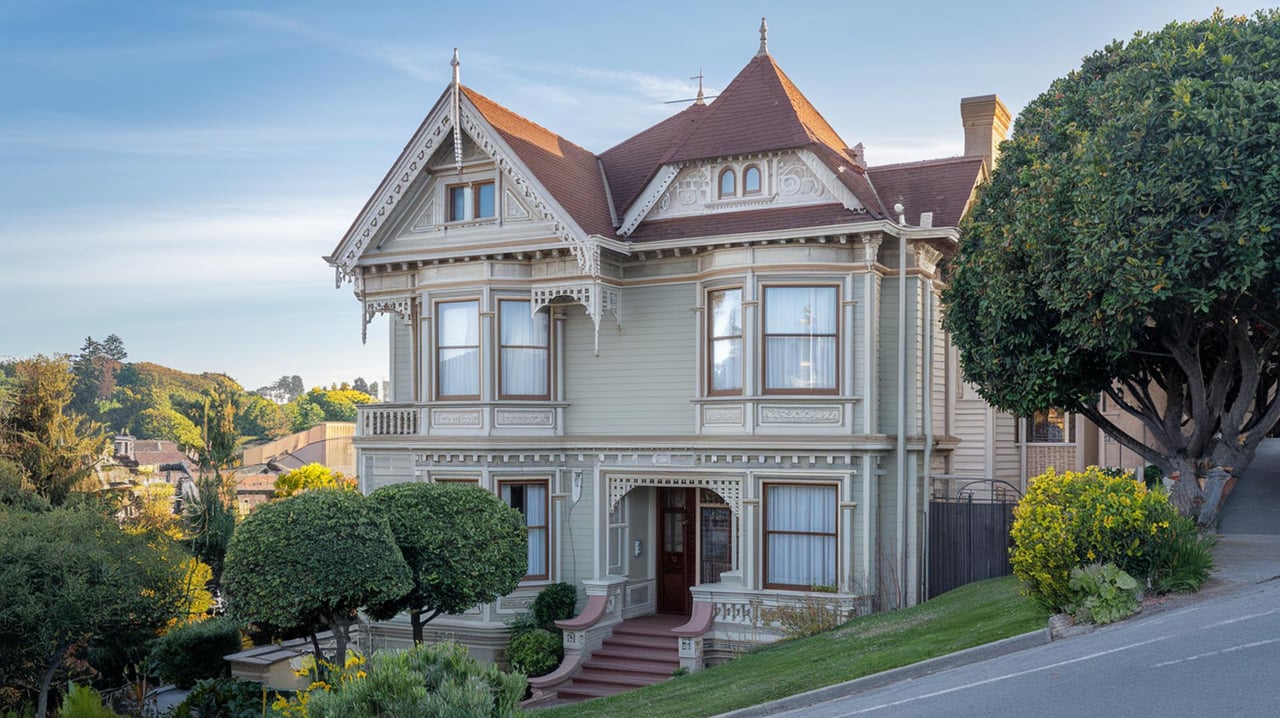
The hillside side of Sausalito is shaped less by docks and more by elevation. The city notes that there are more than 30 public stairs and paths on the hillside, and some neighborhoods have narrow streets without sidewalks.
That affects more than scenery. It changes how you walk, where you park, and how you move through the day.
Daily Access Feels Very Different
One of the clearest differences between houseboats and hillside homes is how you get around. In Sausalito, access is not just a convenience issue. It is part of the lifestyle.
Waterfront life is flatter and more connected
If you live near the floating-home marinas, you are closer to one of Sausalito’s flattest and most direct corridors. The Mill Valley-Sausalito Pathway is a wide, flat 3.7-mile route that connects Mill Valley to Sausalito’s cafes, shops, and art galleries, entering town at Harbor Drive and Bridgeway.
That means waterfront living can support more walking and biking for everyday errands or casual outings. It also places you closer to the rhythm of the shoreline and the downtown edge.
Hillside life takes more planning
Hillside living can feel more tucked away, but it often requires more route planning. With steep terrain, public stairs and paths, and some narrow streets without sidewalks, even short trips may involve stairs, short drives, or a more deliberate walking route.
For some buyers, that separation is a plus. It can feel quieter and more removed from the activity near the waterfront, even though you are still in the same compact city.
Parking Matters More Than You Might Expect
In Sausalito, parking is part of everyday decision-making. Whether you live near the water or in the hills, it helps to understand how tightly managed downtown parking can be.
The city has five municipal lots in the downtown area, and posted street parking is common throughout much of Sausalito. Residents can purchase parking cards that provide three hours of free parking in municipal lots #1 through #4, and some residential areas also use area parking permits because parking is limited.
What this means near downtown and the waterfront
The city notes that downtown lots are close to restaurants, shopping, and public transit. It also says free parking becomes harder to find later in the day, especially on warm summer days and holidays.
If you are living in a waterfront setting, especially one tied more closely to downtown access, that parking pressure may be more noticeable as part of your regular routine. Parking Lot 1 is also described by the city as a key link between downtown, the waterfront, and the ferry terminal, which shows how central these access points are.
What this means in hillside neighborhoods
For hillside residents, parking can feel more tied to the home base and your immediate street pattern. Because some upland areas have narrow roads and limited sidewalks, your daily movement may rely more on where you can park comfortably and how easily you can connect from home to downtown.
This does not make hillside living less convenient across the board. It simply means convenience often depends more on the specific block, access route, and how you prefer to move through town.
Getting to Downtown and the Ferry
For many buyers, proximity to downtown Sausalito is about more than restaurants and shops. It is also about how easily you can enjoy the waterfront, connect to transit, or make regular trips toward San Francisco.
Golden Gate Ferry says the Sausalito ferry landing sits in the heart of downtown at Humboldt and Anchor streets, with regular service to San Francisco. For buyers who value easy access to the ferry and downtown amenities, the flatter waterfront side may feel more intuitive.
From hillside homes, getting downtown can still be straightforward, but the experience is usually more vertical. You may be combining stairs, neighborhood streets, or a short drive instead of stepping directly into a flatter circulation pattern.
Leisure Patterns Shape the Feel of Home
Lifestyle in Sausalito is not only about the house itself. It is also about what surrounds your daily routine when you step outside.
Waterfront recreation is Bay-oriented
Waterfront life naturally leans toward the Bay. The city’s harbors and marinas include berths for sailboats, powerboats, houseboats, and other vessels, and waterfront parks like Dunphy Park, Gabrielson Park, and Marinship Park reinforce that shoreline-centered experience.
If you want the strongest connection to Bay access and a visibly maritime environment, the floating-home side delivers that most directly. Your leisure pattern is more likely to include the shoreline as part of daily life, not just a weekend destination.
Hillside recreation is more land-based
Hillside living tends to create a different rhythm. The city’s parks and facilities include places like Cloud View Park, Langendorf Playground, Robin Sweeny Park, and MLK Park and Field, while the public stairs-and-paths network builds walking into the fabric of the neighborhood.
That can make hillside life feel more movement-oriented on land. You may find yourself thinking in terms of walks, stair routes, neighborhood paths, and nearby trail connections rather than immediate Bay access.
Community Feel: Dockside vs. Dispersed
Many buyers notice the emotional difference between these two settings right away. Even before you compare floor plans or views, the social pattern can feel distinct.
Floating homes often feel more communal
The floating-home community has a strong shared identity. With more than 400 homes across five marinas and an association focused on inclusivity and stewardship, dock life often comes with more frequent neighbor interaction and a more visible community structure.
If you like the idea of a socially connected environment, that can be a real draw. The design of waterfront living naturally brings people into closer proximity.
Hillside neighborhoods often feel more private
Hillside neighborhoods can absolutely feel neighborly, but they often read as more dispersed. Steep terrain, parking patterns, and a less centralized pedestrian layout contribute to a more private day-to-day feel.
For some buyers, that privacy is the point. You may prefer a home that feels a bit more removed, even while still offering access to everything that makes Sausalito appealing.
A Key Waterfront Consideration
If you are seriously considering a floating home or any waterfront-oriented property, it is worth understanding the city’s shoreline planning. Sausalito’s 2025 Shoreline Adaptation Plan says the city’s 2.5 miles of shoreline face flooding and infrastructure challenges, and the plan is intended to protect Bay access, shoreline recreation, and transportation and utility corridors.
This does not change the appeal of waterfront living, but it does add context. Early-stage buyers should know that the strongest Bay connection also comes with the most direct relationship to future shoreline adaptation work.
Which Sausalito Lifestyle Fits You?
If you want the most walkable, water-connected, and socially concentrated version of Sausalito, the floating-home setting is the clearest match. It places you close to the shoreline, close to downtown connections, and close to a well-defined community network.
If you want a more residential, stair-linked, and private-feeling version of Sausalito, the hills may be a better fit. You may trade some flat access for more separation and a daily routine shaped by upland streets and paths.
The right choice often comes down to how you want your days to feel. Do you picture dockside movement and Bay access, or do you prefer the quieter rhythm of hillside living with a little more separation from the waterfront core?
If you are weighing Sausalito houseboats against hillside homes, a local comparison can make the decision much clearer. For thoughtful guidance on Sausalito’s distinct micro-lifestyles and available homes, connect with Sherry Ramzi.
FAQs
What is daily life like in Sausalito floating homes?
- Daily life in Sausalito floating homes is typically more water-connected, flatter for walking and biking, and more socially concentrated because the floating-home community spans more than 400 homes across five marinas.
What is daily life like in Sausalito hillside homes?
- Daily life in Sausalito hillside homes is more influenced by steep terrain, public stairs and paths, narrow streets in some areas, and a more private residential feel.
Is parking difficult in downtown Sausalito?
- Downtown Sausalito parking is tightly managed, with five municipal lots, posted street parking, and limited free parking that becomes harder to find later in the day, especially on warm summer days and holidays.
How do Sausalito houseboats connect to downtown?
- Sausalito houseboats and floating-home areas are generally tied more closely to flatter waterfront access, including the Mill Valley-Sausalito Pathway and downtown connections near Harbor Drive and Bridgeway.
Where is the Sausalito ferry landing located?
- The Sausalito ferry landing is in downtown at Humboldt and Anchor streets, with regular service to San Francisco.
What should buyers know about Sausalito shoreline planning?
- Buyers looking at waterfront property should know the city’s shoreline adaptation planning addresses flooding and infrastructure challenges along Sausalito’s 2.5 miles of shoreline while aiming to protect Bay access, recreation, and transportation and utility corridors.