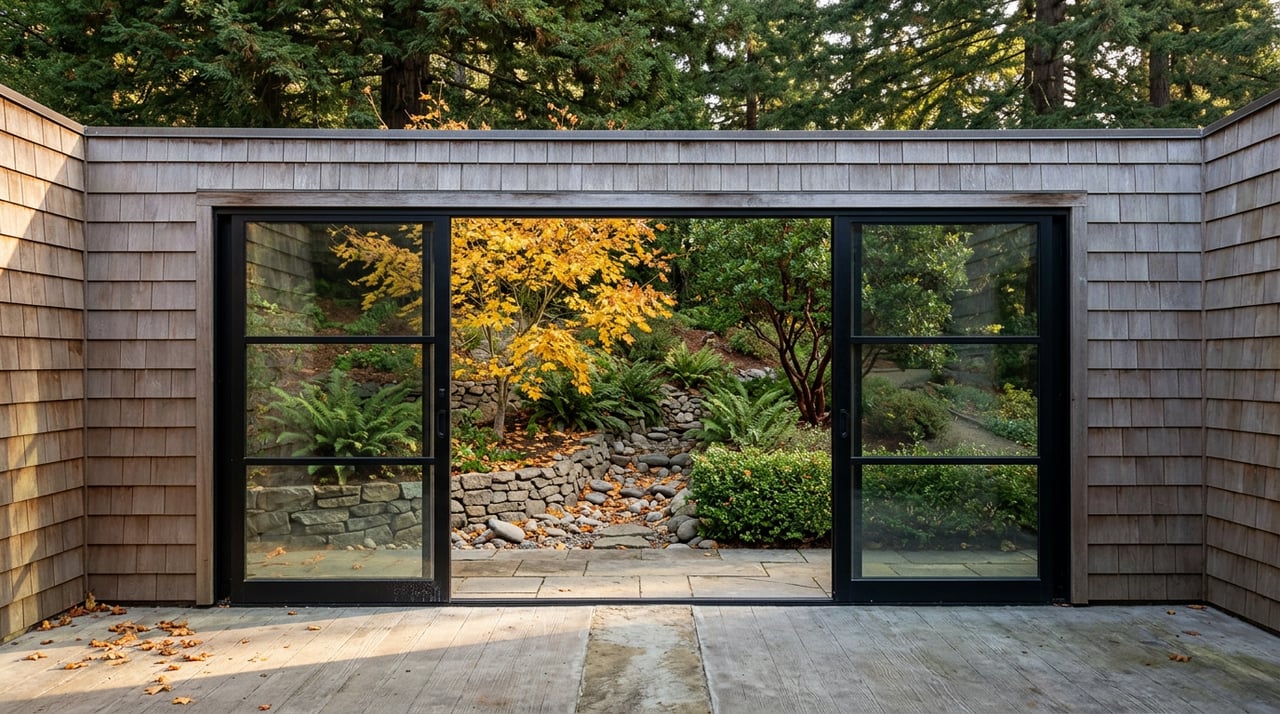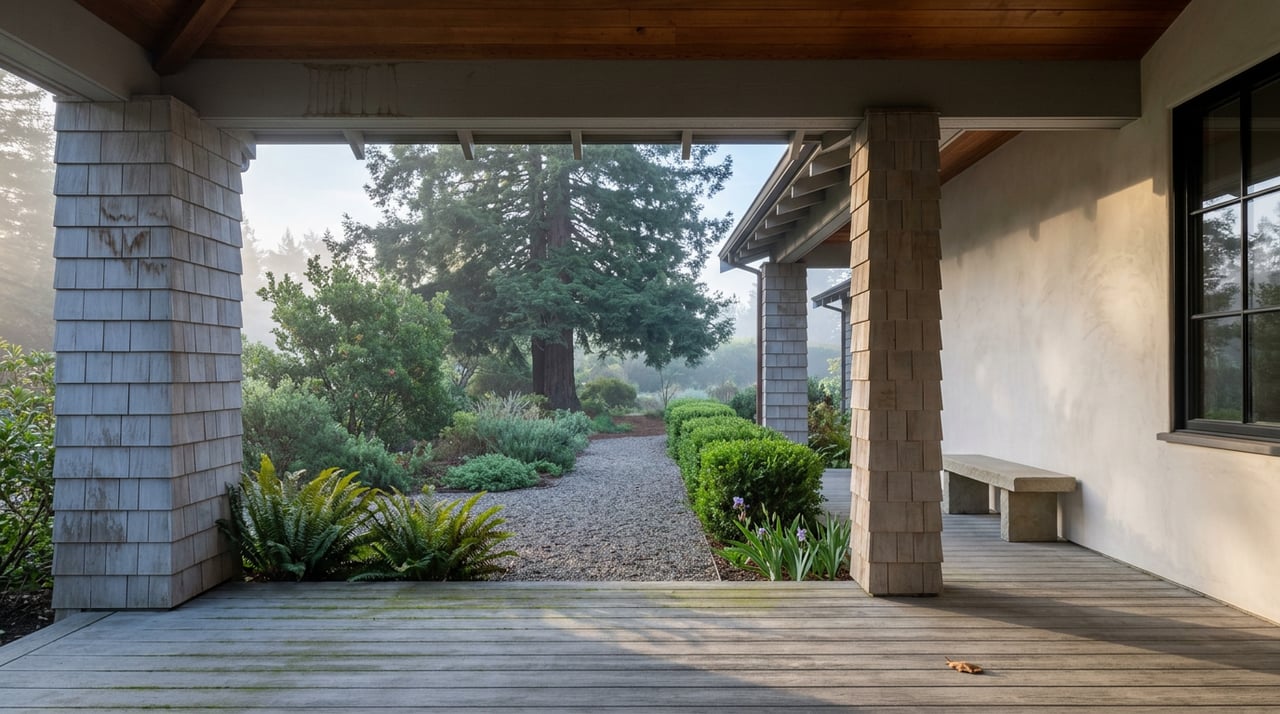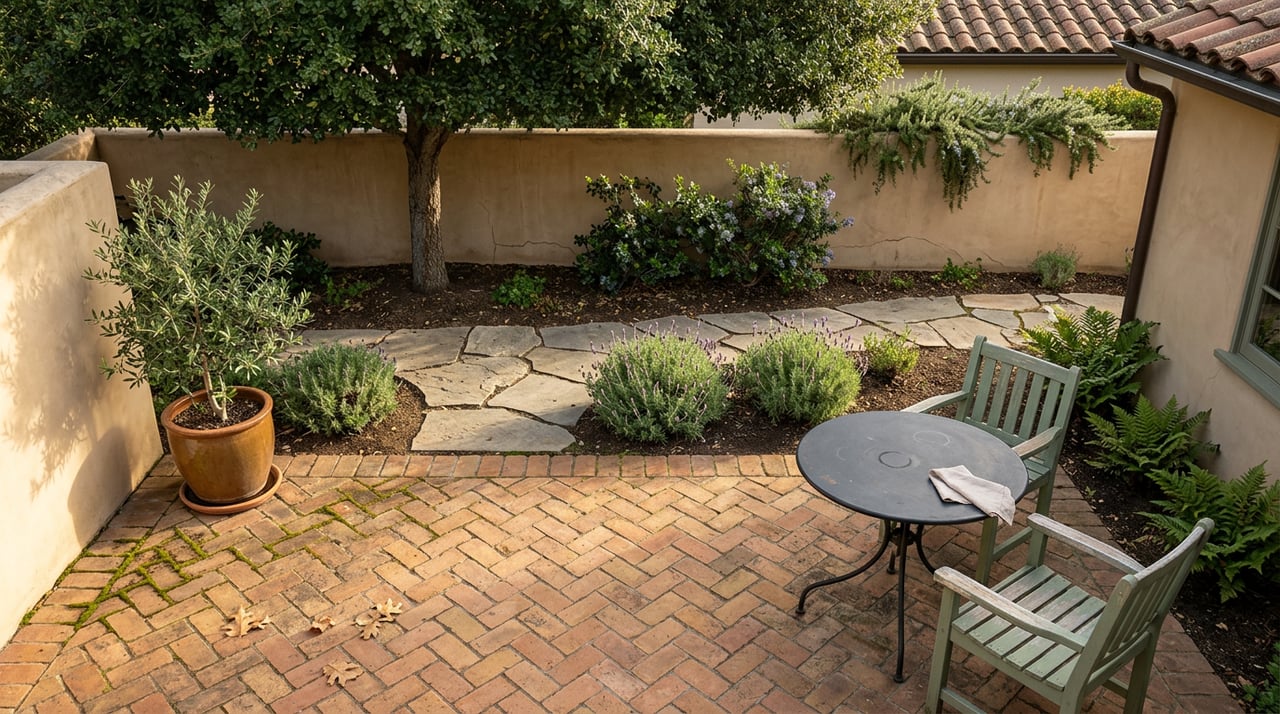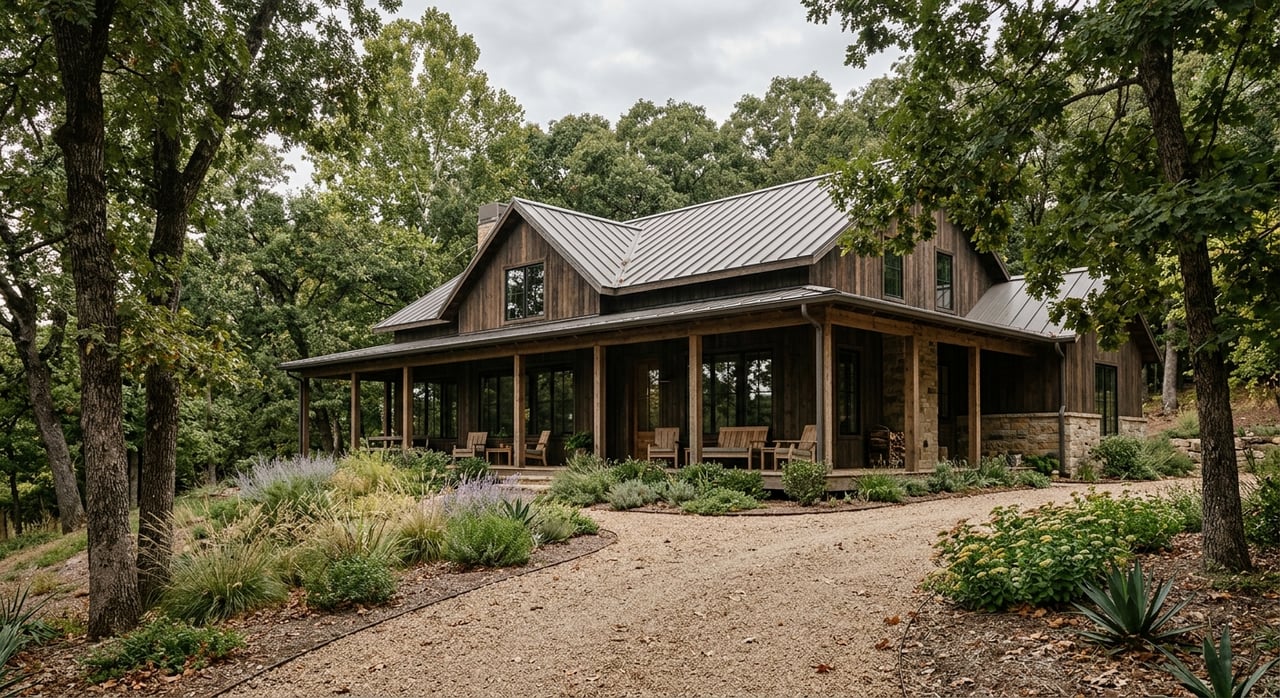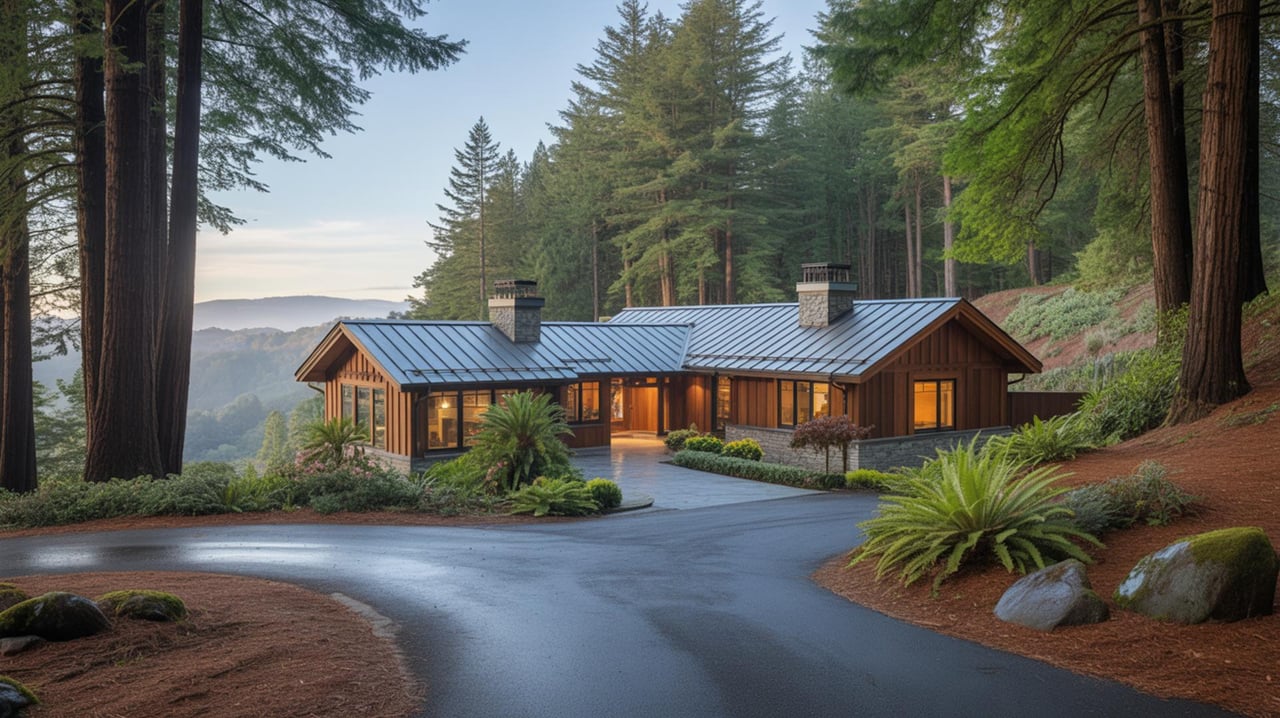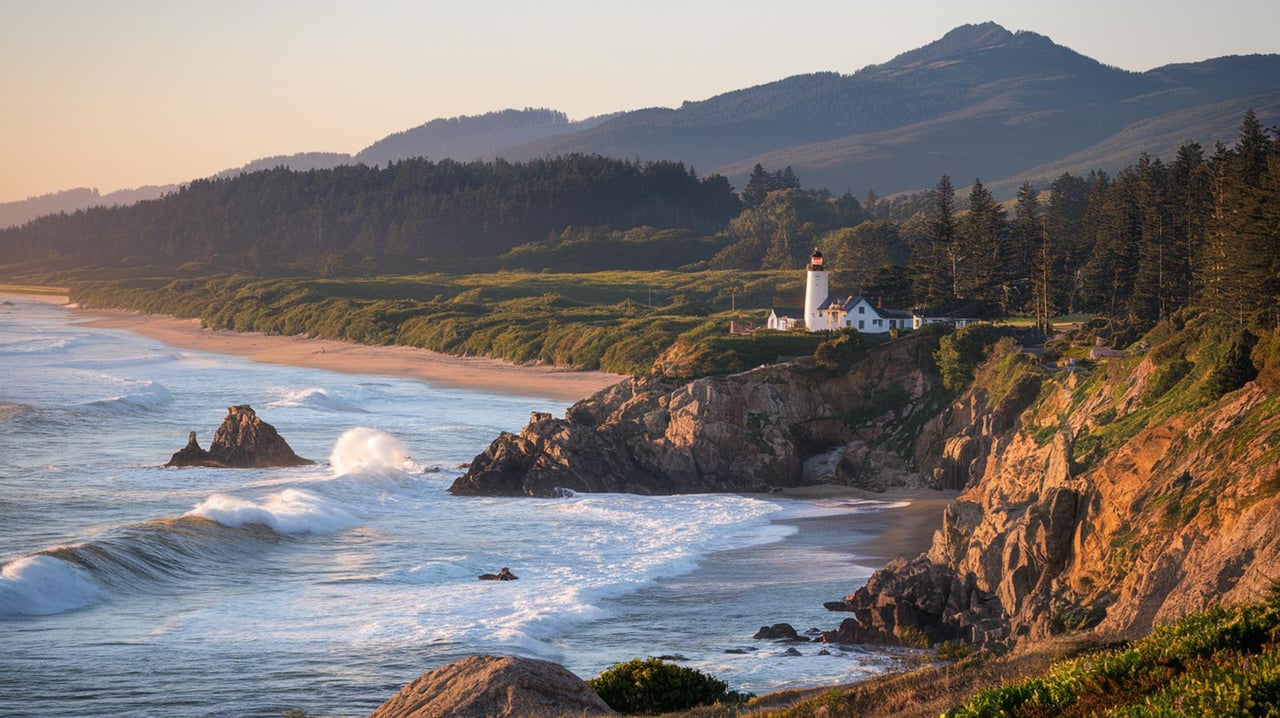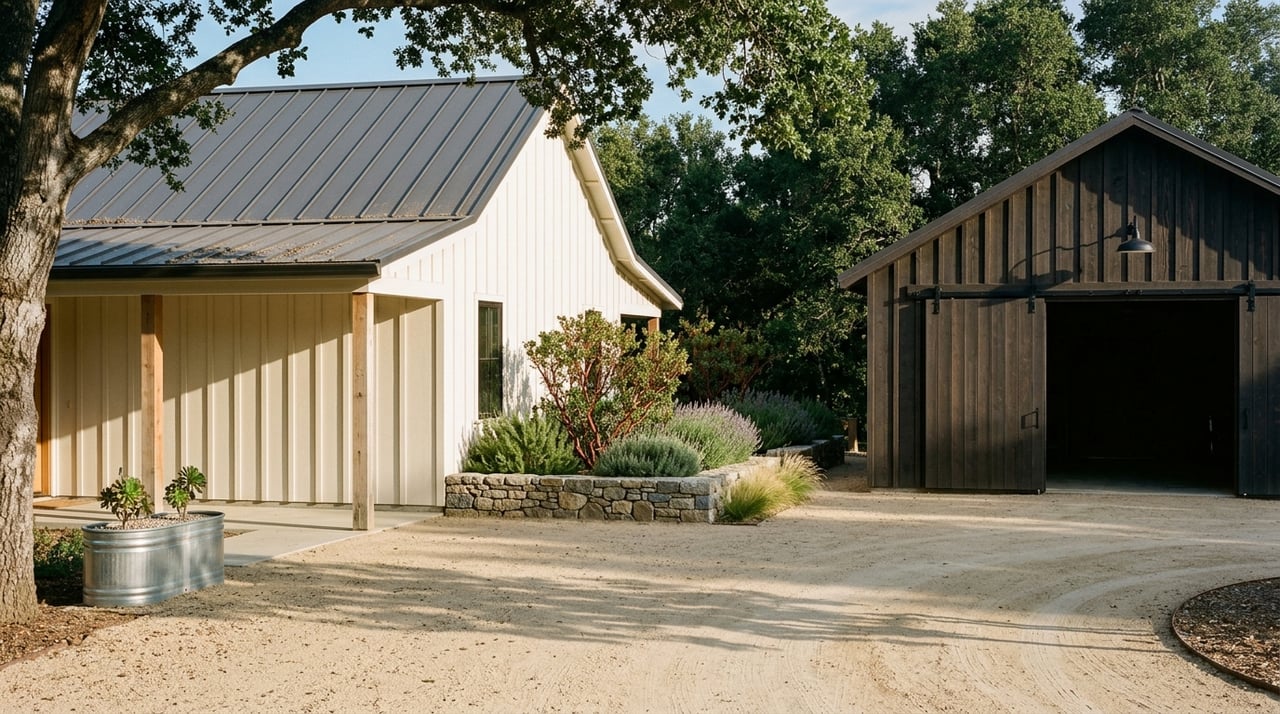
If you picture country living as quiet mornings, open land, and room to breathe, Nicasio may check every box. But owning a country home here usually comes with a different kind of responsibility than owning a house in a more suburban part of Marin. If you are considering a move, it helps to understand both the appeal and the day-to-day reality before you buy. Let’s dive in.
Nicasio living feels beautifully rural
Nicasio is an unincorporated community in West Marin, and that shapes the ownership experience from the start. Core public services such as roads and building permits are handled by Marin County rather than a city government.
That matters because life here is tied to a broader regional routine. The Nicasio Valley Community Plan describes the area as a small community and surrounding valley with a pastoral setting that has long been linked to agriculture, with an ongoing goal of preserving its rural atmosphere.
If you are moving from San Rafael, Mill Valley, or San Francisco, this can feel like a meaningful lifestyle shift. You gain privacy, open space, and a stronger connection to the land, but you give up some of the convenience that comes with denser neighborhoods.
Daily life is more regional
One of the biggest adjustments is that services are spread out. Marin County operates a West Marin Multi-Services Center in Point Reyes Station, while county Building and Safety and Environmental Health offices are located in San Rafael.
In practical terms, country-home ownership in Nicasio is rarely a walkable, errands-around-the-corner lifestyle. You should expect to move between communities for services, appointments, and routine tasks.
That does not make daily life harder for everyone. For many buyers, it is part of the appeal. The tradeoff is simple: fewer nearby conveniences in exchange for a more peaceful setting and larger, more independent properties.
The house often runs on private systems
A country home in Nicasio often has to function more independently than a typical suburban property. In much of West Marin, individual septic systems are common, and Marin County says septic maintenance is the property owner’s responsibility.
If a property also has a private well, there are additional layers to confirm. Marin County requires a well-drilling permit, and if the well is used for drinking water, a domestic-water-supply permit and water-quality testing are required.
This is one of the clearest differences between country ownership and a turnkey in-town home. You are not just buying square footage. You are buying systems that need to be understood, monitored, and maintained.
Septic and wells deserve close review
Before you buy, it is smart to ask detailed questions about how the property operates. A beautiful setting does not remove the need for careful due diligence.
Here are a few practical items to review:
- Ask for septic permit records and inspection history.
- Ask whether planned remodels could trigger Marin County Environmental Health review.
- Confirm whether the property has a permitted private well.
- If the well supplies drinking water, ask for the domestic-water-supply permit and recent test results.
- Ask about drainage or utility constraints that could affect additions or outbuildings.
These details may not be glamorous, but they matter. In Nicasio, a well-informed buyer usually has a smoother ownership experience.
Fire readiness is part of ownership
In a rural setting, the land around the home matters almost as much as the home itself. Marin County Fire says every homeowner must maintain a 100-foot defensible-space zone around the house to reduce fuel and help firefighters work safely during a wildfire.
Access can matter too. Buyers should check for driveway width, turnaround space, and any fire-access improvements that have already been required or completed.
County development rules also state that in rural areas without public water systems, on-site water storage may be required for each single-family dwelling. That is a good reminder that country ownership often includes ongoing stewardship, not just routine home maintenance.
Acreage can mean more opportunity and more oversight
For many buyers, the dream of Nicasio is tied to land. Larger parcels can create room for privacy, outdoor use, horses, or agricultural activity, but they can also come with more rules and more planning considerations.
Marin County code encourages agricultural uses in ARP zones and allows the County to require agricultural management plans. Those plans can address grazing intensity, runoff protection, fertilizer and chemical use, and separation from residential uses.
In some cases, county rules also allow requirements related to pedestrian or equestrian access when that does not conflict with agricultural activity. On certain preserved agricultural or open-space lands, a homeowners’ association or another maintenance organization may also be required.
The takeaway is simple. Bigger land often brings a bigger management role.
Horse properties have their own rhythm
If you are considering a horse property, Nicasio has a long-standing rural framework that supports equestrian life. The Nicasio Valley Community Plan says recreational equestrian activity is permitted on properties zoned for agricultural or open-space uses.
The same plan recommends a Horse Management Plan when use exceeds one horse per five acres or more than five horses on a parcel. That plan should address erosion control, dust suppression, odor and insect control, traffic and parking, fire prevention, and life safety.
For buyers drawn to the equestrian side of West Marin, this is useful context. The lifestyle is possible here, but it is expected to be managed in a way that fits the land and surrounding area.
Rural parcels are often site-sensitive
Nicasio is not a high-density market. Current county planning examples reinforce how land-intensive and site-sensitive the area remains.
A recent county design-review case in Nicasio involved a 45-acre parcel with ARP-60 zoning and AG1 countywide-plan designation. That is not a template for every property, but it does reflect the larger pattern of low-density rural ownership in the valley.
For you as a buyer, this means each parcel deserves individual review. Access, drainage, septic capacity, fire turnaround, and future building potential can vary significantly from one property to the next.
Seasonal changes shape the lifestyle
Part of the appeal of living in Nicasio is the strong connection to the outdoors. That also means the seasons have a bigger impact on daily routines.
NOAA’s Bay Area meteorology guidance notes that California summers are generally dry except for the immediate coast, where low clouds and fog are common, and the marine layer can move inland under the right conditions. In the rainy season, Marin County Parks notes that nearby preserve trails can be muddy.
That seasonal rhythm becomes part of how you use the property and the surrounding landscape. Winter and early spring can feel very different from summer and fall, especially if outdoor access is one of the reasons you want to live here.
Outdoor access is part of the draw
Nicasio ownership is not only about the home itself. It is also about living in a landscape where trails, wildlife, and open space are part of the everyday experience.
Roy’s Redwoods Preserve, on Nicasio Valley Road, supports hiking, biking, and horseback riding. County open-space rules there give horses the right of way on designated trails.
For many buyers, this is what makes Nicasio special. You are not just purchasing a residence. You are stepping into a more land-connected way of living.
Water is part of the valley story
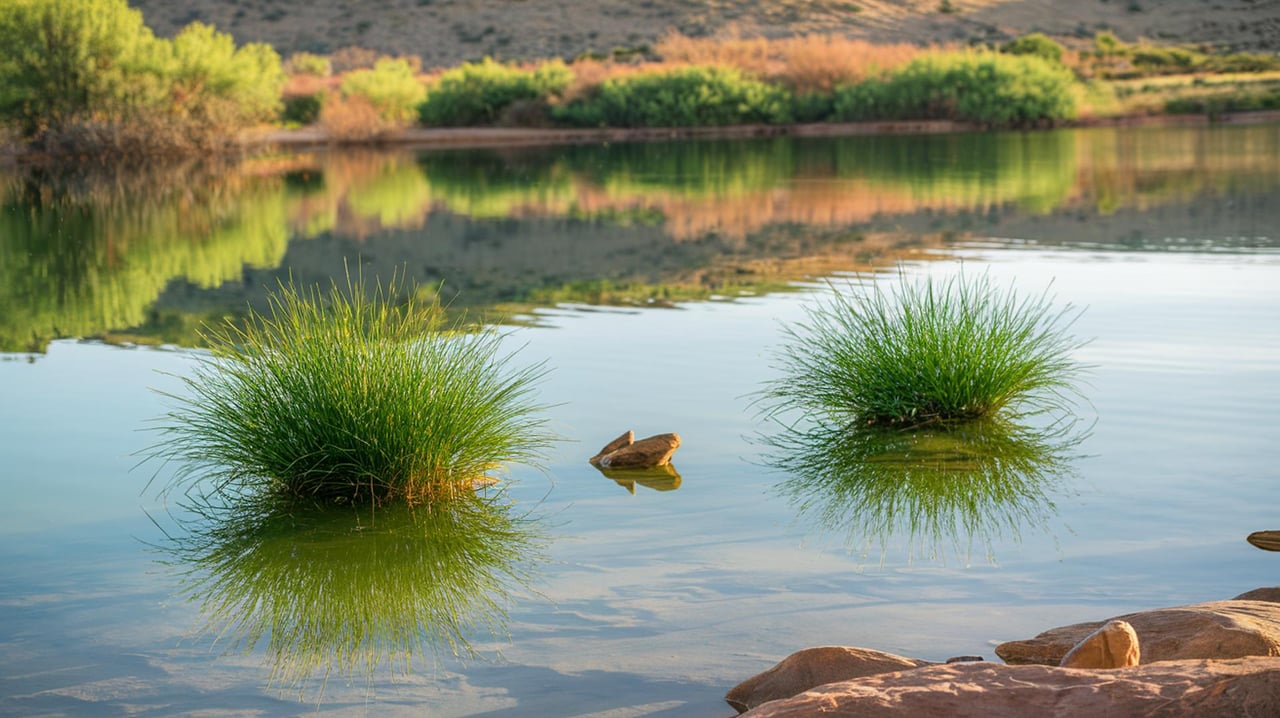
Water is another important part of understanding the area. Marin Water manages seven reservoirs, including Nicasio and Soulajule in west Marin.
According to Marin Water, Nicasio Reservoir was created by Seeger Dam in 1960 and currently stores 22,340 acre-feet. The district has also described water-resilience planning tied to moving surplus winter water into Nicasio Reservoir for use during dry months and drought years.
For homeowners, this does not change the need to understand a specific property’s water setup. It does, however, reinforce how deeply water, seasonality, and land management are woven into life in this part of Marin.
What owning a country home really means
At its best, owning a country home in Nicasio gives you privacy, open space, and a rare rural setting within Marin County. It can feel calmer, more spacious, and more connected to the land than many other parts of the Bay Area.
At the same time, the ownership experience is usually less turnkey. Septic systems, wells, defensible space, access, water storage, and county land-use rules all deserve real attention.
That is why the smartest buyers approach Nicasio with both excitement and discipline. When you understand the systems behind the lifestyle, you are much better positioned to enjoy everything that makes this area so distinctive.
If you are considering a country property in Marin and want experienced, discreet guidance on how to evaluate the home, the land, and the ownership realities, connect with Sherry Ramzi.
FAQs
What makes owning a country home in Nicasio different from owning a suburban home in Marin?
- In Nicasio, ownership often involves private systems such as septic and wells, more land stewardship, county-level permitting, and greater attention to fire readiness, access, and seasonal conditions.
What should buyers check about septic systems on a Nicasio property?
- You should ask for septic permit records, inspection history, and whether any future remodel plans could trigger Marin County Environmental Health review.
What should buyers confirm about private wells in Nicasio?
- You should confirm whether the well is permitted and, if it supplies drinking water, whether there is a domestic-water-supply permit and recent water-quality test results.
What fire-safety issues matter for a country home in Nicasio?
- Key items include the required 100-foot defensible-space zone, driveway width, turnaround space, and whether any fire-access or on-site water-storage requirements apply.
Can you keep horses on a property in Nicasio?
- Recreational equestrian activity is permitted on properties zoned for agricultural or open-space uses, and the Nicasio Valley Community Plan recommends a Horse Management Plan above certain use levels.
How does seasonality affect daily life in Nicasio?
- Summers are generally dry, marine air can influence conditions, and rainy-season mud can affect trail use, so outdoor routines often shift with the seasons.